
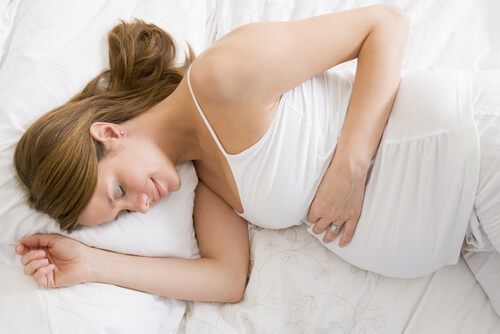
If you’ve ever spent half the night flipping from side to side with a pillow between your knees, desperately trying to find a comfortable position, you’re not alone! Growing a human is hard work, and getting a good night’s sleep when you're pregnant can feel like an Olympic sport. Between the heartburn, the constant need to pee, and that little gymnast doing somersaults in your belly, sleep seems like a distant memory.
But seriously, safe sleep positions during pregnancy are a big deal. It’s not just about your comfort (although that’s important too!). It’s also about ensuring the best possible blood flow and oxygen supply for your little one. And, honestly, feeling more rested can make a world of difference in managing pregnancy symptoms and just feeling more like yourself.
So, what’s a mama-to-be to do? One super simple adjustment you can maketonightis to grab a pillow (or two, or three!) and place it under your growing belly. This can provide amazing support and take some of the pressure off your back. It might feel a little weird at first, yes, even if it feels like you’re wrestling a body pillow all night, but trust me, your body will thank you.
The Side-Sleeping Solution: Why Doctors Love It
When it comes to safe sleep positions in pregnancy, side sleeping, particularly on your left side, is the golden standard recommended by most doctors and midwives. But why the left side specifically? Well, sleeping on your left side helps take pressure off your vena cava, a large vein that runs along the right side of your spine and returns blood to your heart. When you lie on your back or right side, your uterus can compress this vein, potentially reducing blood flow to your uterus and, therefore, to your baby.
Think of it like this: imagine you’re watering your garden, and someone steps on the hose. The water still flows, but not as freely. Sleeping on your left side helps keep that "hose" nice and open, ensuring your baby gets all the nutrients and oxygen they need. Plus, it can help reduce swelling in your ankles and feet (bonus!).
Now, I know what you’re thinking: “Easy for them to say! I can’t control what I do when I’m asleep!” And you’re right. It’s perfectly normal to shift positions throughout the night. The goal isn’t to stay glued to your left side all night long (that would be impossible!), but rather to start the night in that position and gently nudge yourself back that way if you wake up on your back.
Is it safe to sleep on my back while pregnant?
Okay, let's address the elephant in the room. Is back sleeping safe while pregnant? Many of us are used to sleeping on our backs, and suddenly being told to avoid it can feel like a big adjustment. While short periods of time on your back are generally considered okay (like if you wake up that way and immediately roll over), prolonged back sleeping, especially in the second and third trimesters, isn't ideal. As mentioned earlier, your uterus can compress that important vena cava vein, leading to potential complications. Try placing a pillow behind your back to make it less comfortable to roll onto your back unintentionally. This can act as a gentle reminder to stay on your side.
Which side is best for circulation during pregnancy?
We've already touched on this, but to reiterate, the left side is generally considered the best for circulation during pregnancy. It takes pressure off the vena cava, which improves blood flow to both you and your baby. However, don't stress if you occasionally find yourself on your right side. The most important thing is to avoid prolonged periods of back sleeping. Focus on starting the night on your left side and gently returning to that position if you wake up.
Pillows: Your Pregnancy Sleep BFFs
Let’s talk pillows! These aren’t just for propping up your head anymore. They are your allies in the quest for comfortable and safe sleep during pregnancy. We’ve already talked about using a pillow under your belly, but there are so many other ways these fluffy wonders can help.
A pillow between your knees can help align your hips and spine, relieving pressure on your lower back. This is especially helpful if you experience sciatic pain, which is common during pregnancy. You can also use a pillow behind your back to prevent you from rolling onto your back in your sleep. Some women find that propping themselves up slightly with pillows can help alleviate heartburn, another delightful pregnancy symptom.
And then there’s the holy grail of pregnancy pillows: the body pillow! These come in various shapes and sizes – U-shaped, C-shaped, J-shaped – and are designed to support your entire body. They can be a game-changer for finding a comfortable sleeping position. Experiment with different pillow arrangements to find what works best for you. Don’t be afraid to create a pillow fort of comfort! Remember, the goal is to support your body and encourage side sleeping.
Honestly, don't be afraid to invest in some good quality pillows. Think of it as an investment in your well-being (and your baby's!). Plus, you can totally use them after the baby arrives for breastfeeding support!
How can I make side sleeping more comfortable?
Making side sleeping more comfortable is all about support and alignment. Start with a good quality pillow under your head to keep your neck aligned. Then, place a pillow between your knees to align your hips and spine. A pillow under your belly can provide additional support and relieve pressure on your back. If you're still struggling to get comfortable, consider investing in a pregnancy body pillow. Experiment with different pillow arrangements until you find what works best for you. Remember, comfort is key to a good night's sleep!
I'm worried about rolling onto my back in my sleep. What can I do?
It’s a valid worry! Many pregnant women are concerned about rolling onto their backs in their sleep. As we discussed, placing a pillow behind your back can act as a barrier and make it less comfortable to roll over. You can also try sleeping with a wedge pillow behind you for extra support. Another trick is to slightly elevate the head of your bed. This can make it more difficult to roll onto your back and may also help with heartburn. Don't stress too much if you do wake up on your back. Just gently roll back onto your side. The most important thing is to start the night on your side and take steps to discourage back sleeping.
Beyond Sleeping Positions: Creating a Sleep-Friendly Environment
Okay, so we’ve covered the importance of safe sleep positions and the magic of pillows. But what about the rest of your sleep environment? Creating a relaxing and sleep-friendly atmosphere can make a huge difference in the quality of your sleep.
Think about your bedroom. Is it dark, quiet, and cool? Darkness is essential for melatonin production, which helps regulate your sleep cycle. Blackout curtains can be a lifesaver. If noise is an issue, consider using a white noise machine or earplugs. And keep the temperature cool – around 65-68 degrees Fahrenheit is ideal.
Establish a relaxing bedtime routine. This could include taking a warm bath, reading a book, or listening to calming music. Avoid screen time before bed, as the blue light emitted from electronic devices can interfere with sleep. And try to go to bed and wake up around the same time each day, even on weekends, to help regulate your body's natural sleep-wake cycle.
Pay attention to what you eat and drink before bed. Avoid large meals or sugary snacks, as these can disrupt your sleep. And limit your fluid intake in the hours leading up to bedtime to reduce the number of nighttime bathroom trips. Caffeine and alcohol should also be avoided, as they can interfere with sleep.
Honestly, sometimes the hardest part is just giving yourself permission to prioritize sleep. Pregnancy is exhausting, and you deserve to rest. Don't feel guilty about taking naps or going to bed early. Your body is working hard, and sleep is essential for both you and your baby.
Remember, how to sleep safely when pregnant is about finding what works foryou. Every woman is different, and what works for one person may not work for another. Be patient with yourself, experiment with different techniques, and don't be afraid to ask for help. Talk to your doctor or midwife if you're struggling to get a good night's sleep.
And remember, even if your sleep isn't perfect (and let's be real, it probably won't be!), you're doing a great job. Every little bit helps, and even small changes can make a big difference. You've got this, mama! You're growing a tiny human, and that's pretty amazing. Give yourself some grace, prioritize rest, and remember that this too shall pass. Soon, you'll be trading those pregnancy sleep struggles for the joys (and challenges!) of newborn sleep deprivation. But for now, focus on getting as much rest as you can, and know that you're doing everything you can for yourself and your baby.