
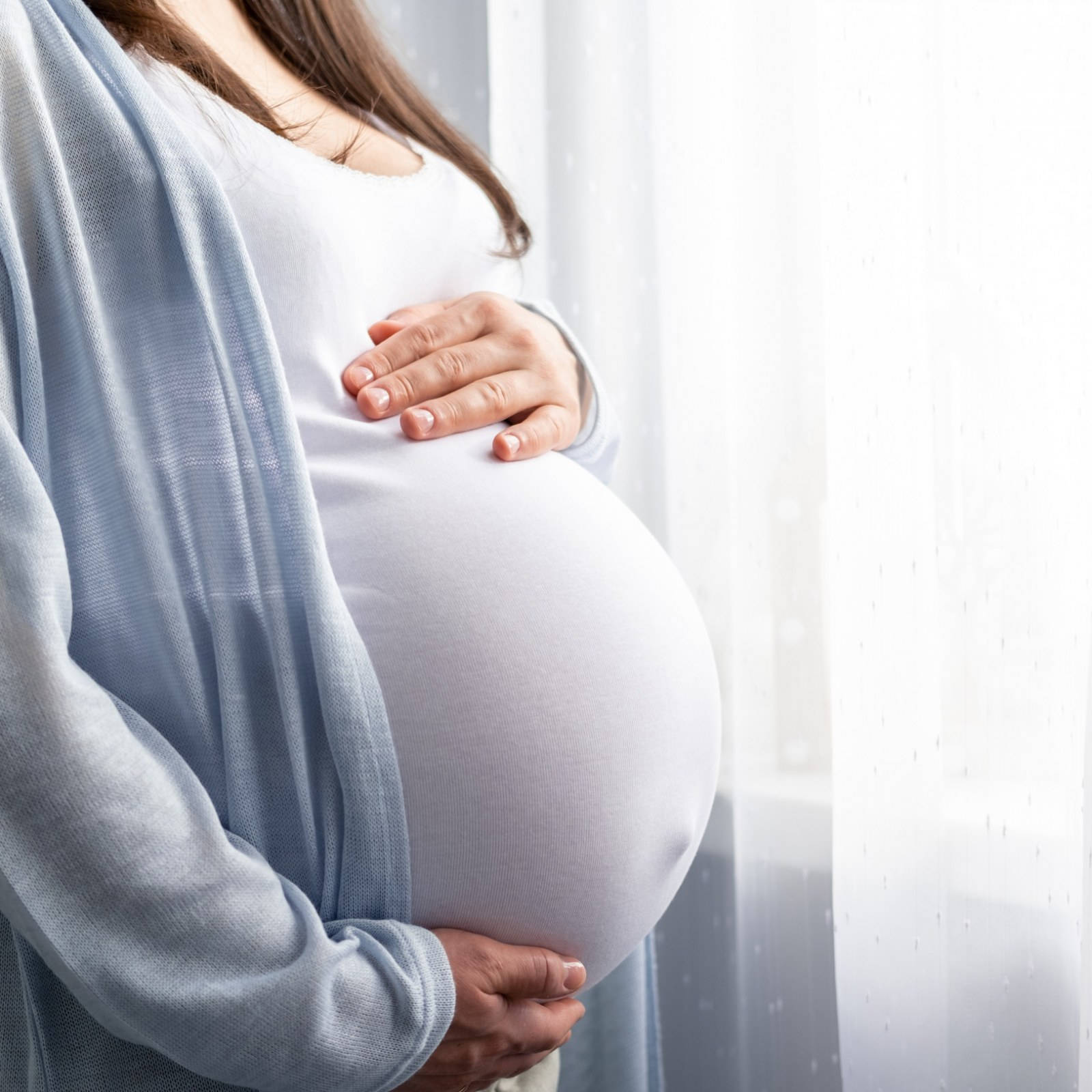
If you’ve ever spent half the night flipping from side to side with a pillow between your knees, another strategically placed under your bump, and yetstillfeeling like you’re auditioning for a contortionist role, you’re not alone, mama. The third trimester is notorious for turning sleep into an Olympic sport. Between the kicks, the bathroom trips, and the sheer discomfort of trying to find a comfortable position with a rapidly growing belly, getting quality sleep can feel like an impossible dream.
But here’s the good news: prioritizing safe sleep positions in pregnancy, especially during these final weeks, really does make a difference – not just for your comfort, but for your baby’s well-being too. I know, I know, easier said than done! But even small adjustments can have a big impact. And trust me, you’ve got this.
Let’s talk about one super simple, yet effective tweak you can make tonight: try placing a pillowunderyour belly. It might sound obvious, but this little adjustment can provide amazing support, taking some of the pressure off your back and hips. Think of it as a gentle cradle for your bump, allowing you to relax a little more. It also helps prevent you from rolling onto your back, which we want to avoid as much as possible.
The Importance of Side Sleeping During the Third Trimester
We all know that sleep is essential, especially during pregnancy. But when you’re rocking a third-trimester bump, finding a comfortable position that'salsosafe can feel like mission impossible. Doctors and midwives overwhelmingly recommend pregnant side sleeping, particularly on your left side. Why? Because it's the optimal position for both you and your baby.
Sleeping on your left side takes pressure off your inferior vena cava, a major blood vessel that returns blood from your lower body to your heart. When you lie on your back, your uterus can compress this vessel, reducing blood flow to your uterus and, therefore, to your baby. This can potentially lead to decreased oxygen and nutrients for your little one. No pressure, right? But honestly, knowing the "why" behind the recommendation can make it easier to prioritize, even when all you want is five minutes of back-lying bliss.
And let’s be real, sticking to one position all night is nearly impossible. I get it. Youwillprobably roll onto your back at some point. The goal isn't perfection, it's about spending the majority of your sleep time on your side. If you wake up on your back, simply roll back onto your side. No need to panic! Your body is pretty good at signaling when something isn't right. You'll likely feel uncomfortable, which will prompt you to move.
Is it safe to sleep on my back while pregnant?
While short periods on your back are generally okay, prolonged back sleeping during the third trimester is not recommended. As mentioned earlier, it can compress the inferior vena cava, potentially reducing blood flow to the uterus. If you wake up on your back, don't stress. Just gently roll back onto your side.
Which side is best for circulation?
Sleeping on your left side is generally considered best for circulation during pregnancy. It takes pressure off the inferior vena cava, allowing for optimal blood flow to both you and your baby. However, if you find the left side uncomfortable, sleeping on your right side is still preferable to sleeping on your back.
Pillows: Your Best Friend During Pregnancy
Now, let’s talk about your new best friends: pillows. And no, I'm not just talking about the one under your head. We’re talking a pillow army! Investing in a good pregnancy pillow (or strategically arranging your existing pillows) can make a world of difference in achieving comfortable and safe sleep positions in pregnancy.
A pregnancy pillow, often U-shaped or C-shaped, provides full-body support, helping to align your spine, hips, and knees. It can also prevent you from rolling onto your back. But even if you don't want to invest in a specific pregnancy pillow, you can create your own support system with regular pillows.
Experiment with placing a pillow between your knees to alleviate pressure on your hips and lower back. Another pillow behind your back can act as a gentle wedge to prevent you from rolling over. And as we discussed earlier, don't forget the one under your belly!
Think of it as building a cozy, supportive nest. Yes, even if it feels like you’re wrestling a body pillow all night. It's worth the effort for a (hopefully) more restful night.
What kind of pillow is best for pregnancy?
There's no one-size-fits-all answer. U-shaped and C-shaped pregnancy pillows are popular choices because they provide full-body support. Wedge pillows are also great for propping up your belly or back. Ultimately, the best pillow is the one that provides you with the most comfort and support. Try different options to see what works best for your body.
How can I stop myself from rolling onto my back?
Strategic pillow placement is key. Place a pillow behind your back to act as a wedge, making it more difficult to roll over. You can also try sleeping in a slightly reclined position. If you consistently wake up on your back, talk to your doctor or midwife. They may have additional recommendations.
Creating a Sleep-Conducive Environment
Beyond safe sleep positions, your sleep environment plays a huge role in how well you sleep. Think of it as setting the stage for a good night's rest.
Start by making sure your bedroom is dark, quiet, and cool. Blackout curtains can be a lifesaver, especially as bathroom trips become more frequent and the slightest bit of light can wake you up. A white noise machine or fan can help to mask distracting sounds. And keeping the room temperature cool (around 65 degrees Fahrenheit) can promote deeper sleep.
Establish a relaxing bedtime routine. This could include taking a warm bath, reading a book, listening to calming music, or practicing some gentle stretching or prenatal yoga. Avoid screen time for at least an hour before bed, as the blue light emitted from electronic devices can interfere with sleep.
Also, be mindful of what you're consuming before bed. Avoid large meals, caffeine, and sugary drinks. A small, protein-rich snack can help to keep your blood sugar stable throughout the night. And of course, limit your fluid intake in the hours leading up to bedtime to minimize those pesky bathroom trips.
Remember, it's about creating a sanctuary that signals to your body that it's time to wind down and prepare for sleep. It won’t magically solve all your sleep woes, but it can certainly make a difference.
When to Talk to Your Doctor
While many sleep disturbances during the third trimester are normal, it's important to talk to your doctor or midwife if you're experiencing any of the following: Severe or persistent insomnia: If you're consistently struggling to fall asleep or stay asleep, despite trying different strategies, it's worth discussing with your healthcare provider. Snoring or suspected sleep apnea: Loud snoring, gasping for air during sleep, or excessive daytime sleepiness can be signs of sleep apnea, a condition that can have negative consequences for both you and your baby. Restless legs syndrome (RLS): This condition causes an irresistible urge to move your legs, often accompanied by uncomfortable sensations. It can significantly disrupt sleep. Anxiety or depression: Pregnancy can sometimes trigger or worsen anxiety or depression, which can also interfere with sleep.
Your doctor can evaluate your symptoms and recommend appropriate treatment options, which may include lifestyle changes, medication, or a referral to a sleep specialist. Don't hesitate to reach out if you're concerned about your sleep. It's always better to be safe than sorry.
Final Thoughts: Be Kind to Yourself
Look, mama, the third trimester is tough. Sleep is often elusive, and you're likely feeling exhausted and uncomfortable. It's okay to not sleep perfectly. It’s okay to wake up on your back sometimes. It's okay to feel frustrated.
The key is to do your best to prioritize safe sleep positions, create a relaxing sleep environment, and be kind to yourself. Remember that even small changes can make a difference. And remember that this is temporary. Soon, you'll have your sweet baby in your arms, and while sleep may still be a challenge, it will be a different kind of challenge.
So, take a deep breath, grab your pillow army, and try to get some rest. You deserve it. And your baby deserves a well-rested mama. You're doing an amazing job.