
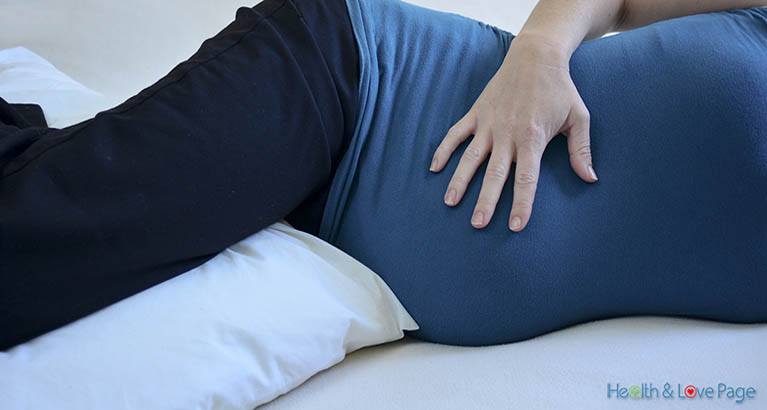
If you’ve ever spent half the night flipping from side to side with a pillow between your knees, feeling like a beached whale, you’re not alone! Finding a comfortable sleep position during pregnancy can feel like a never-ending quest. Your body is changing daily, and what felt okay last week might be completely impossible this week. The good news is that there are definitely safer and more comfortable ways to sleep while pregnant, and they're easier than you think to incorporate into your nightly routine.
While sleep might seem like a purely personal comfort issue, safe sleep positions really do make a difference for both you and your growing baby. Optimizing blood flow, reducing pressure on major organs, and even minimizing swelling can all be influenced by how you position yourself each night. It's about finding that sweet spot between comfort and safety, and trust me, it's achievable!
One simple yet effective adjustment you can make tonight is placing a pillowunderyour belly. This little trick can work wonders, especially as your bump grows. It provides extra support, preventing your belly from pulling on your back and hips. It's a small change that can make a huge difference in relieving discomfort and helping you drift off to sleep more easily. So grab that extra pillow and give it a try!
The Lowdown on Side Sleeping During Pregnancy
Let’s get right to it: side sleeping, particularly on your left side, is generally considered the safest and most beneficial sleep position during pregnancy. I know, I know, you might be a back sleeper or a stomach sleeper at heart, but trust me, your body (and your baby!) will thank you for making the switch.
Think of it this way: when you sleep on your left side, you're taking the pressure off the large vein (the inferior vena cava) that runs along the right side of your spine. This vein carries blood back to your heart from your lower body. When your uterus presses on it (especially in later pregnancy), it can reduce blood flow to your uterus and, consequently, to your baby. Sleeping on your left side helps to optimize this blood flow, ensuring that your little one gets all the nutrients and oxygen they need. Plus, better blood flow for baby means better blood flow foryou, which can ease swelling in your ankles and feet.
Which side is best for circulation?
Left-side sleeping is typically recommended for optimal circulation during pregnancy because it relieves pressure on the inferior vena cava. While right-side sleeping is generally considered safe, left-side sleeping is often preferred.
Now, I know what you’re thinking: “But what if I roll over in my sleep?” Don’t stress! It’s perfectly normal to shift positions throughout the night. The goal isn’t to stay glued to your left side all night long (yes, even if it feels like you’re wrestling a body pillow all night!). It's simply aboutstartingon your left side and gently guiding yourself back to that position if you wake up on your back or right side. Your body is pretty smart and will usually let you know if a position is truly uncomfortable.
Is it safe to sleep on my right side while pregnant?
Sleeping on your right side is generally considered safe, especially if you find it more comfortable. However, consistently sleeping on your left side is often recommended to optimize blood flow to the uterus and baby by relieving pressure on the inferior vena cava. If you find yourself more comfortable on your right side, don't panic, but aim for the left side as your primary sleep position.
Navigating the "No-Go" Zones: Back Sleeping
Okay, let’s talk about back sleeping. While it might feel comfortable in the early days, it's generally advised to avoid prolonged back sleeping, especially in the second and third trimesters. The reason? Well, remember that inferior vena cava we talked about? When you lie flat on your back, your uterus puts maximum pressure on it. This can lead to decreased blood flow to your uterus, lightheadedness for you, and potentially affect the baby's oxygen supply.
But don’t freak out if you wake up on your back! It happens. Just gently roll back onto your side. Your body is pretty good at signaling discomfort, so you’ll likely find yourself naturally shifting away from that position. The real concern isconsistentlysleeping on your back for extended periods.
Worried about rolling onto your back in your sleep? Here are a few tricks to help you stay on your side: Pillow Placement: Place a wedge pillow or a rolled-up towel behind your back. This will act as a gentle barrier, making it less likely for you to roll over completely. Body Pillow Love: Invest in a good quality body pillow (or two!). These are a lifesaver for providing support and preventing you from rolling onto your back. Slight Incline:Elevating the head of your bed slightly can also help discourage back sleeping and alleviate heartburn, which is a common pregnancy complaint.
Is back sleeping safe while pregnant?
While occasional back sleeping isn't likely to cause harm, consistently sleeping on your back, especially in the later stages of pregnancy, is not recommended. It can compress the inferior vena cava, reducing blood flow to the uterus and potentially causing lightheadedness or discomfort.
Stomach Sleeping: A Temporary Luxury
For those of you who are die-hard stomach sleepers, I have some news: you'll naturally have to give up this position as your belly grows. But don’t despair! It’s usually a gradual transition. In the early weeks, you might still be able to sleep on your stomach without too much discomfort. However, as your bump gets bigger, it will simply become physically impossible (and uncomfortable!).
Trying to sleep on your stomach later in pregnancy would be like trying to sleep with a basketball under you. Not exactly conducive to a good night’s rest! So, enjoy it while it lasts, and prepare to embrace the side-sleeping life.
Pillow Talk: Your New Best Friends
Let’s talk pillows! They are your allies in the quest for comfortable and safe sleep during pregnancy. We already mentioned a few pillow strategies, but let's dive in deeper.
Body Pillows: These are a game-changer! They come in various shapes and sizes (U-shaped, C-shaped, straight) and can provide support for your entire body. Experiment to find the one that works best for you. Wrap it around you, tuck it between your knees, use it to support your back – the possibilities are endless! Wedge Pillows: These are great for providing targeted support. Use them under your belly, behind your back, or to elevate your head and shoulders. Regular Pillows:Don’t underestimate the power of a good old-fashioned pillow! Use them to support your neck, shoulders, and knees.
The goal is to create a cozy nest that supports your body and helps you maintain a comfortable side-sleeping position. Don’t be afraid to experiment with different pillow configurations until you find what works best for you. Think of it as building your own personal sleep sanctuary.
Beyond Position: Creating a Sleep-Friendly Environment
While sleep position is important, it’s just one piece of the puzzle. Creating a sleep-friendly environment can also significantly improve your sleep quality during pregnancy.
Keep it Cool: A slightly cooler room temperature is generally more conducive to sleep. Darken the Room: Blackout curtains or blinds can help block out unwanted light. Minimize Noise: Use a white noise machine or earplugs to drown out distracting sounds. Establish a Routine: A consistent bedtime routine can signal to your body that it's time to sleep. This could include taking a warm bath, reading a book, or listening to relaxing music. Limit Screen Time: Avoid using electronic devices (phones, tablets, computers) for at least an hour before bed. The blue light emitted from these devices can interfere with sleep. Stay Hydrated: Drink plenty of water during the day, but avoid drinking large amounts right before bed to minimize nighttime bathroom trips.
Listen to Your Body
Ultimately, the best sleeping position during pregnancy is one that is both safe and comfortable for you. Pay attention to your body’s signals and adjust your position as needed. If you feel dizzy, lightheaded, or uncomfortable in a particular position, shift to another one.
And don’t be afraid to ask your healthcare provider for personalized advice. They can assess your individual situation and recommend the best sleeping positions for you and your baby.
Remember, pregnancy is a journey filled with changes and challenges. Finding comfortable and safe sleep positions is just one small part of that journey. Even imperfect sleep is normal, and small changes really do help. Be patient with yourself, experiment with different strategies, and celebrate every little victory, one comfortable night at a time!