
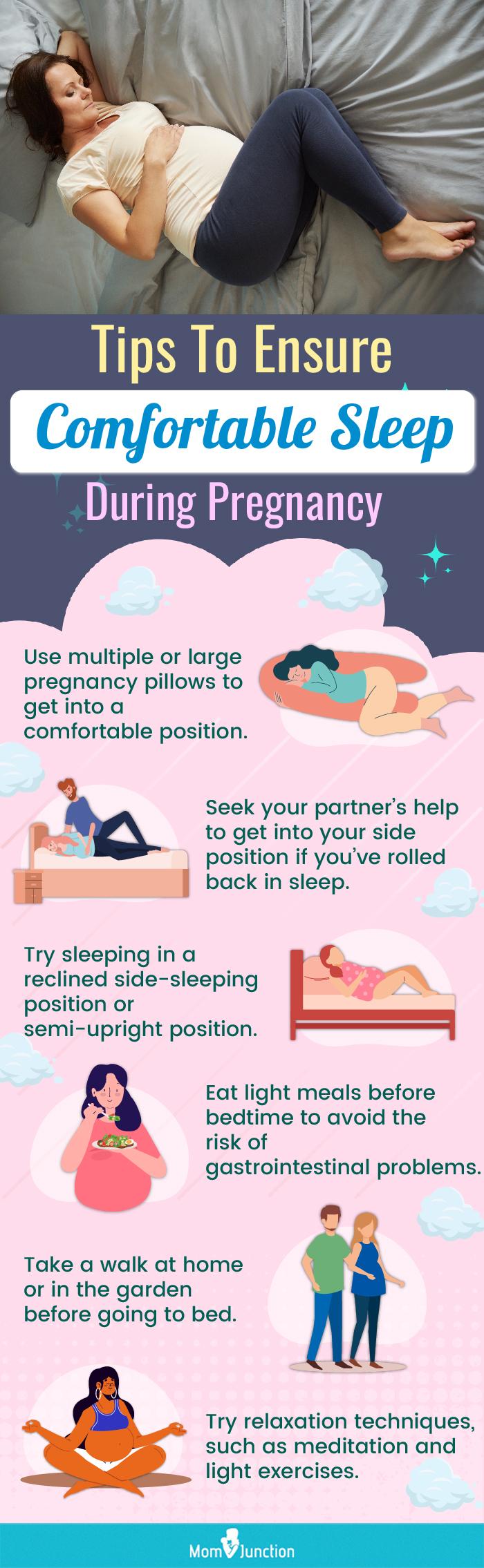
If you’ve ever spent half the night flipping from side to side with a pillow between your knees, another propped behind your back, andstillfeeling like you’re failing at this whole “sleeping while pregnant” thing, you’re definitely not alone. Growing a tiny human is hard work, and apparently, so is finding a comfortable position to do it in while you're trying to get some shut-eye. Forget visions of sugar plums, we're dreaming of uninterrupted, pain-free sleep!
It might feel like a constant battle against gravity and that ever-expanding bump, but finding safe sleep positions in pregnancy truly makes a difference – not just for your comfort, but also for your little one's well-being. We’re talking about optimizing blood flow and ensuring both of you get the rest you need to thrive. Don't worry, we're not talking about perfection. We're talking about making smart, small adjustments that can add up to a whole lot more zzz's.
One incredibly simple (yet effective) hack? Placing a pillowunderyour bump. Seriously! As your belly grows, that extra weight can pull on your back and hips, making it tough to get comfy. A small, firm pillow tucked gently beneath your belly when you're lying on your side provides support and can alleviate some of that pressure. Experiment with different thicknesses and placements to find what feels best foryourbody.
Safe Sleep Positions in Pregnancy: The Real Deal
Okay, let's get down to brass tacks about the best sleeping position during pregnancy. You've probably heard it a million times: pregnant side sleeping is the golden rule. But why? And what if you wake up on your back? Let's break it down.
Side sleeping, especially on your left side, is recommended because it optimizes blood flow to your uterus, which in turn nourishes your baby. It also helps your kidneys work more efficiently, reducing swelling in your ankles, feet, and hands (hallelujah!). Plus, it takes pressure off your liver. See? A real win-win-win.
Which side is best for circulation during pregnancy?
While both sides are generally safe, the left side is often touted as beingslightlybetter for circulation. This is because your inferior vena cava (a major blood vessel that returns blood from your lower body to your heart) is located on the right side of your abdomen. Sleeping on your left side takes pressure off this vessel, allowing for better blood flow. But, honestly, don't stress too much aboutwhichside. Switching sides throughout the night is perfectly fine and probably inevitable!
Now, what about back sleeping? In the first trimester, when your uterus is still relatively small, sleeping on your back is generally considered safe. However, as your pregnancy progresses, sleeping on your back can put pressure on that inferior vena cava, potentially reducing blood flow to the uterus and making you feel lightheaded or nauseous. It can also contribute to backaches, hemorrhoids, and digestive issues. Not fun.
Is it safe to sleep on my back while pregnant?
As mentioned, it’s generally fine in the first trimester, but it's best to avoid sleeping flat on your back in the second and third trimesters. The weight of your growing uterus can compress major blood vessels, impacting blood flow to both you and your baby.
But what if you wake up on your back? Don’t panic! It’s going to happen. Just gently roll back onto your side and try to get comfortable again. The goal is tostarton your side and tomostlystay there. Your body will usually let you know if you’re in a position that’s not ideal.
Pillow Power: Your Secret Weapon for Comfortable Pregnancy Sleep
Let's talk pillows. Forget those cute decorative pillows – we're talking serious support here! Pillows are your best friends when it comes to achieving comfortable sleep positions in pregnancy. We already talked about the belly pillow. But that’s just the beginning.
A good body pillow is a game-changer. These long, often U-shaped or C-shaped pillows provide support for your entire body, cradling your bump, supporting your back, and taking pressure off your hips and knees. Yes, even if it feels like you’re wrestling a body pillow all night, it's worth it! Experiment with different shapes and firmnesses to find one that works for you.
Another handy hack is to use a wedge pillow. These small, triangular pillows can be placed behind your back to prevent you from rolling onto your back during the night. You can also use them under your bump for extra support or between your knees to align your hips.
Don’t underestimate the power of regular pillows, either! Use them to prop yourself up, support your neck, or create a cozy nest around you. The key is to find what feels most comfortable and supportive foryourchanging body. Remember, there's no one-size-fits-all approach to pregnancy sleep.
Beyond Pillows: Creating a Sleep Sanctuary
Okay, so you've mastered the art of pillow placement, but there's more to safe and comfortable sleep during pregnancy than just finding the right position. Creating a relaxing and conducive sleep environment is just as important.
Think about your bedroom. Is it dark, quiet, and cool? These are the key ingredients for a good night's sleep. Invest in blackout curtains, a white noise machine, or a fan to create a soothing atmosphere.
Establish a relaxing bedtime routine. This could include taking a warm bath, reading a book, listening to calming music, or practicing gentle stretching or prenatal yoga. Avoid screen time for at least an hour before bed, as the blue light emitted from electronic devices can interfere with your sleep.
Pay attention to what you eat and drink before bed. Avoid large meals, caffeine, and sugary drinks in the evening. A light snack, like a handful of almonds or a cup of chamomile tea, can help you relax and fall asleep.
Stay hydrated during the day, but try to limit your fluid intake in the evening to minimize those middle-of-the-night bathroom trips.
Finally, listen to your body. If you're feeling uncomfortable or restless, don't force yourself to stay in one position. Get up and move around, stretch, or have a snack. Sometimes, a change of scenery is all you need to reset and get back to sleep.
What else can I do to sleep better while pregnant?
Beyond adjusting your sleep position and creating a relaxing environment, consider these additional tips: Talk to your doctor: If you're experiencing persistent sleep problems, such as insomnia or sleep apnea, talk to your doctor. They can rule out any underlying medical conditions and recommend appropriate treatment options. Consider a pregnancy massage: A massage can help relieve muscle tension, reduce stress, and promote relaxation, making it easier to fall asleep. Take a prenatal yoga class: Yoga can help you improve your flexibility, strength, and balance, as well as promote relaxation and reduce stress. Stay active during the day: Regular exercise can help you sleep better at night, but avoid strenuous activity close to bedtime.
Worried About Rolling Onto My Back: Practical Solutions
Let's face it, even with the best intentions and a fortress of pillows, you're probably still going to wake up on your back at some point during the night. It's inevitable. And that's okay!
The key is to make it as difficult as possible to roll onto your back in the first place. This is where those wedge pillows and body pillows come in handy. Place a wedge pillow behind your back to create a gentle slope that prevents you from rolling over. Use a body pillow to hug and support your body, making it more difficult to move around.
If you do wake up on your back, don't panic. Gently roll back onto your side and try to get comfortable again. The important thing is to be aware of your position and to correct it as needed.
Another helpful tip is to enlist your partner's help. Ask them to gently nudge you if they notice you're on your back during the night. A little teamwork can go a long way! (Just make sure they do it gently – no one wants to be startled awake!).
Finally, remember that your body is incredibly resilient. It's designed to protect both you and your baby. While it's important to be mindful of your sleep position, don't let it consume you. Stressing about it will only make it harder to fall asleep.
Embrace Imperfect Sleep: You're Doing Great, Mama!
Let's be real: perfect sleep during pregnancy is a myth. Between the frequent bathroom trips, the restless legs, the heartburn, and the general discomfort, getting a solid eight hours of uninterrupted sleep is a rare luxury.
So, cut yourself some slack! Focus on making small, manageable changes that will improve your sleep quality, rather than striving for perfection. Remember that even imperfect sleep is normal and that you're doing an amazing job growing a tiny human.
Listen to your body, experiment with different positions and techniques, and find what works best for you. And don't be afraid to ask for help from your partner, your doctor, or other pregnant mamas. We're all in this together!
And remember, those sleepless nights won't last forever. Soon enough, you'll be trading sleep for midnight feedings and diaper changes, but that's a story for another blog post. For now, focus on getting as much rest as you can, and know that you're doing great, mama!