
If you’ve ever spent half the night flipping from side to side with a pillow between your knees, desperately trying to find a position that doesn’t involve a tiny human using your bladder as a trampoline, you’re not alone. Getting comfortable during pregnancy, especially when your little one decides nighttime is party time, can feel like an Olympic sport. But trust me, mama, there are ways to navigate these restless nights and ensure you're both getting the rest you need.
It's easy to dismiss sleep advice as just another pregnancy "rule," but when it comes to safe sleep positions in pregnancy, it really does make a difference. Not just for your comfort, but for your baby’s well-being too. Choosing the right position optimizes blood flow, ensures good oxygen supply, and avoids putting unnecessary pressure on vital organs. So, while finding theperfectposition might seem impossible some nights, knowing you're making a healthy choice for both of you is a huge win.
One small but mighty adjustment you can make right now is to place a pillow under your belly. This simple act can provide incredible support, relieving pressure on your back and hips. Think of it as a mini-hammock for your bump! It might feel a little awkward at first, yes, even if it feels like you’re wrestling a body pillow all night, but give it a try. You might be surprised at how much difference a little lift can make.
Decoding Safe Sleep Positions in Pregnancy
Navigating safe sleep positions during pregnancy often feels like a minefield of do’s and don’ts. Is back sleeping safe while pregnant? What about my right side versus my left? Let's break down the recommendations and ease your mind. The truth is, you likely won’t stay perfectly still all night, and that's okay! The goal is tostartin a safe position and gently guide yourself back if you wake up in a less-than-ideal one.
The golden rule of safe sleep positions in pregnancy is side sleeping, particularly on your left side. This is because sleeping on your left side takes the pressure off your liver and the large blood vessel called the inferior vena cava, which runs along the right side of your spine. Relieving this pressure improves blood flow to your uterus, which means more oxygen and nutrients for your little one. It can also reduce swelling in your ankles, which is a common pregnancy complaint.
But what if you naturally gravitate towards your right side? Don't panic! While the left side is generally preferred, sleeping on your right side is still a much better option than sleeping on your back. The key is to listen to your body and choose the position that feels most comfortable for you, remembering that side sleeping is the safest overall choice.
Is it safe to sleep on my back while pregnant?
Early in pregnancy, sleeping on your back is generally considered safe, as your uterus is not yet large enough to compress major blood vessels. However, as your pregnancy progresses, back sleeping becomes less ideal. The weight of your uterus can press down on the inferior vena cava, reducing blood flow to both you and your baby. This can lead to dizziness, shortness of breath, and even lower blood pressure. While accidentally rolling onto your back occasionally is unlikely to cause harm, it's best to avoid prolonged back sleeping, especially in the later stages of pregnancy. If you wake up on your back, simply roll back onto your side. Your body will usually let you know if a position isn't working!
Now, let's talk about the dreaded "rolling over" scenario. It's practically inevitable that you'll shift positions during the night, especially when those baby kicks are in full force. Instead of stressing about staying perfectly still, focus on setting yourself up for success before you drift off. Use pillows to create a supportive barrier behind you to make it harder to roll onto your back. Think of them as your personal sleep sentries!
The Pillow Power Play: Creating a Comfortable Sleep Sanctuary
Pregnancy pillows are not just a trendy Instagram accessory; they’re a legit game-changer when it comes to sleeping comfortably with a bump. These glorious inventions come in various shapes and sizes, from full-body U-shapes to wedge-shaped wonders, each designed to provide targeted support and alleviate pressure points.
A U-shaped pillow, for example, wraps around your entire body, providing support for your back, belly, and knees simultaneously. This can be a lifesaver if you're struggling with back pain or hip discomfort. A wedge pillow, on the other hand, can be strategically placed under your belly, behind your back, or between your knees to provide targeted support where you need it most.
Experiment with different types of pillows to find what works best for you. Don't be afraid to get creative! You can even use regular pillows to achieve a similar effect. The goal is to create a supportive and comfortable sleep environment that encourages side sleeping and minimizes tossing and turning. Think of it as building a cozy nest for yourself and your little one.
Beyond pregnancy pillows, consider investing in a supportive mattress and comfortable bedding. A good mattress will provide adequate support for your spine, while soft and breathable bedding will help regulate your body temperature and prevent overheating. Because, let's face it, pregnancy hormones can turn you into a personal furnace overnight.
Which side is best for circulation?
As mentioned earlier, the left side is generally considered the best side for circulation during pregnancy. Sleeping on your left side takes the pressure off the inferior vena cava, a major blood vessel that returns blood from the lower body to the heart. This improved blood flow benefits both you and your baby. However, if you find that sleeping on your left side is uncomfortable, sleeping on your right side is still a safe alternative. The most important thing is to avoid prolonged back sleeping.
Don't underestimate the power of a relaxing bedtime routine. A warm bath, a cup of herbal tea (check with your doctor first!), or a few minutes of gentle stretching can help calm your mind and prepare your body for sleep. Avoid screen time before bed, as the blue light emitted from electronic devices can interfere with your body's natural sleep-wake cycle.
When Baby Kicks Nonstop: Taming the Tummy Tumult
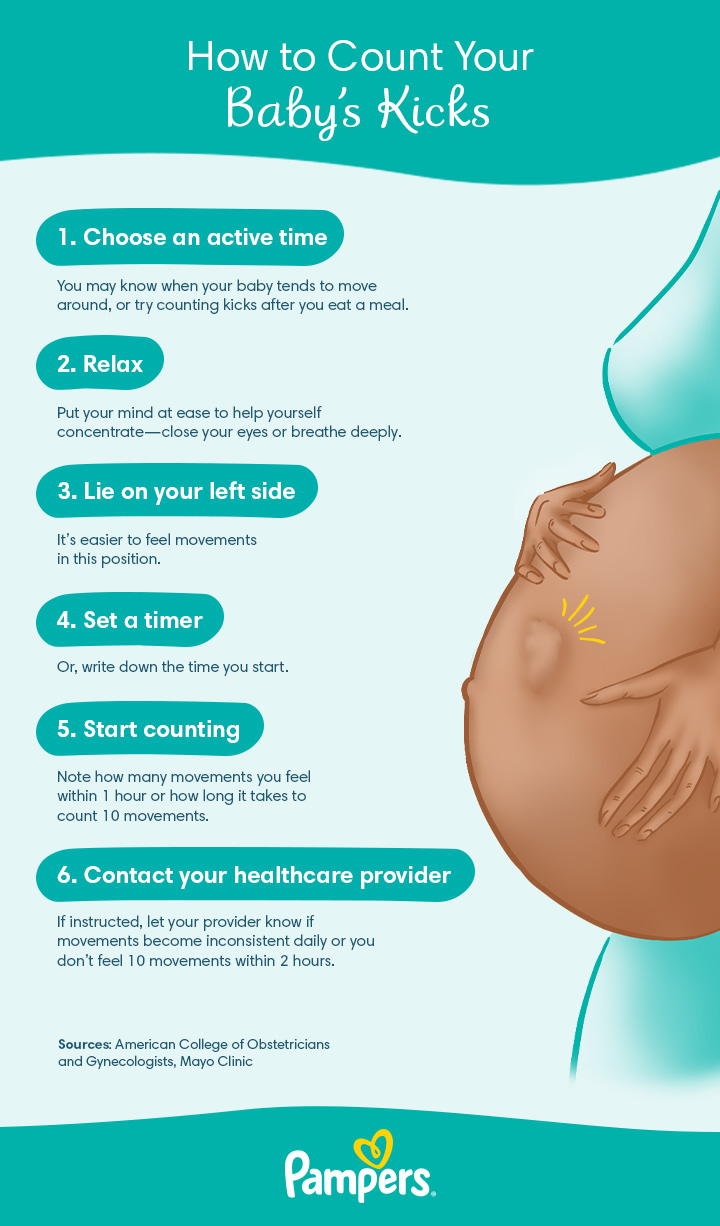
Ah, the joys of feeling your baby move! Except when those joyful movements turn into a full-blown acrobatic performance at 3 AM. While feeling your baby kick is a reassuring sign of their health and well-being, it can also make it incredibly difficult to fall asleep.
First and foremost, reassure yourself that those kicks are normal and healthy. Your baby is simply exploring their cozy little world. However, if you're finding it difficult to sleep due to the constant movement, there are a few things you can try.
Sometimes, a gentle change of position can do the trick. If you've been lying on your left side for a while, try switching to your right side or even sitting up for a few minutes. This can sometimes disrupt your baby's rhythm and give you a moment of peace.
A light snack before bed can also help regulate your blood sugar levels and prevent those late-night hunger pangs that can sometimes trigger increased fetal activity. Opt for something healthy and easy to digest, such as a handful of nuts, a piece of fruit, or a small bowl of yogurt.
If you're feeling anxious or stressed, try practicing some relaxation techniques. Deep breathing exercises, meditation, or even listening to calming music can help quiet your mind and promote relaxation. Remember, your baby can sense your stress levels, so taking care of yourself is also taking care of them.
Another helpful trick is to gently rub your belly or talk to your baby. Sometimes, a little interaction can soothe your little one and encourage them to settle down. Think of it as a mini-conversation before bedtime.
How to sleep safely when pregnant?
To summarize, sleeping safely during pregnancy involves prioritizing side sleeping, preferably on your left side, using pillows for support and comfort, avoiding prolonged back sleeping, and creating a relaxing bedtime routine. Listen to your body and adjust your sleep position as needed. If you have any concerns or questions, don't hesitate to talk to your doctor or midwife.
It's also important to stay hydrated throughout the day, but try to limit your fluid intake in the evening to minimize those frequent trips to the bathroom. And while exercise is generally safe and beneficial during pregnancy, avoid strenuous activity close to bedtime, as it can interfere with your sleep.
Remember, every pregnancy is different, and what works for one person may not work for another. Be patient with yourself, experiment with different strategies, and don't be afraid to ask for help.
Embrace the Imperfect Sleep: You're Doing Great, Mama!
Let’s be real: perfect sleep during pregnancy is often a myth. There will be nights when you toss and turn, nights when baby is doing gymnastics, and nights when you just can't seem to get comfortable. And that's okay. It’s normal.
The key is to focus on making small, sustainable changes that improve your overall sleep quality. Even imperfect sleep is still sleep, and every little bit helps. Be kind to yourself, listen to your body, and remember that you're doing an amazing job growing a tiny human.
And if all else fails, remember that this too shall pass. Soon, you'll be trading those pregnancy discomforts for the joys (and exhaustion!) of motherhood. But for now, focus on getting as much rest as you can, knowing that you're providing the best possible environment for your growing baby. You've got this, mama!