
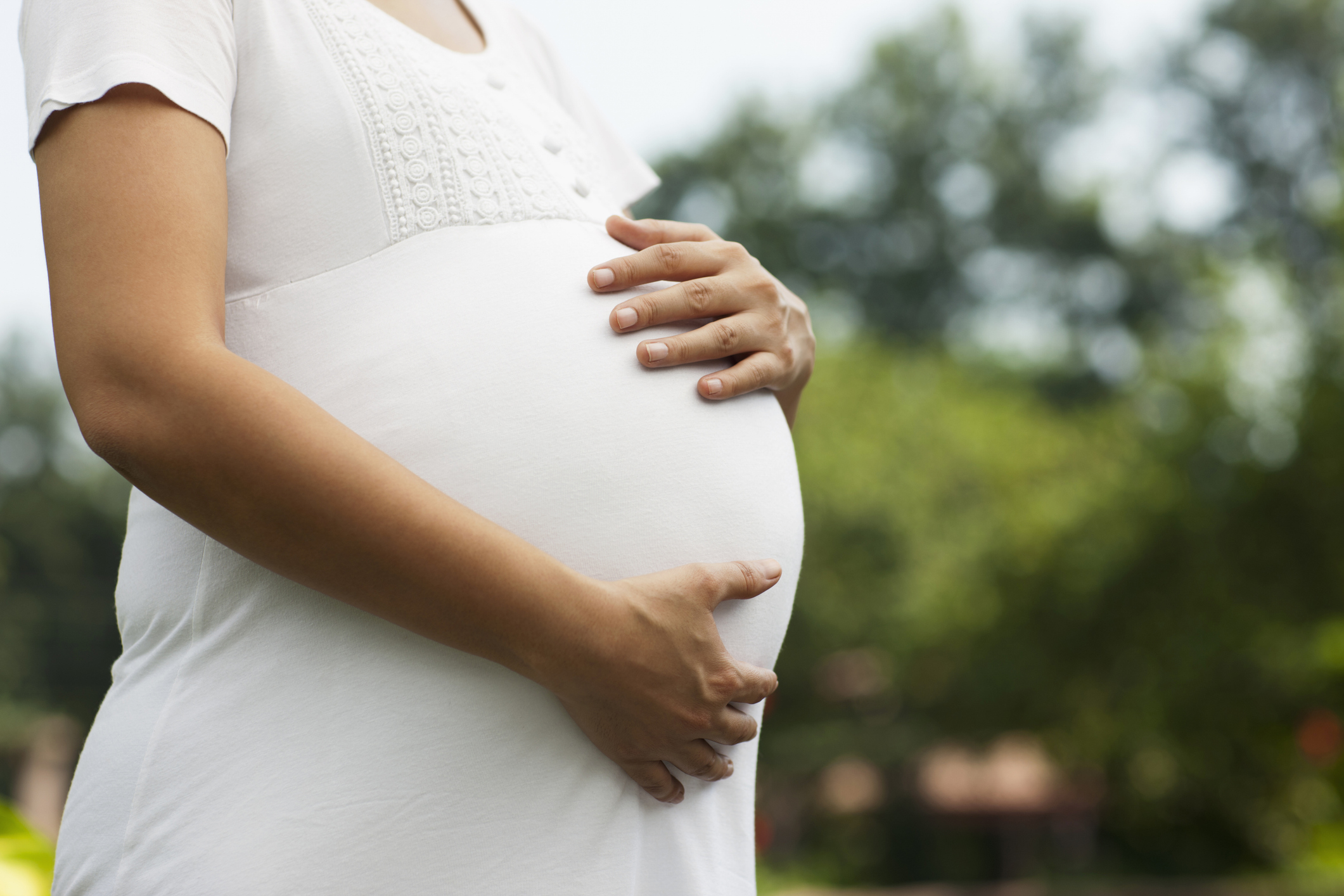
If you’ve ever spent half the night flipping from side to side with a pillow between your knees, desperately trying to find a comfortable position while your bladder screams for attention, you're not alone! Pregnancy sleep can feel like an Olympic sport, and finding a safeandcomfy position? Well, that’s gold medal territory.
Let's be real, sleep is precious,especiallywhen you're growing a tiny human. And while those first few weeks might have been all about napping whenever possible, as your bump grows, so does the importance of finding safe sleep positions. It’s not just about your comfort (though that’s important too, mama!), but about ensuring optimal blood flow and oxygen for you and your little one. And trust me, knowing you’re doing your best to keep things healthy can ease your mind, even if you are awake at 3 AM.
So, what’s a pregnant woman to do? Start with the left side. Simple, right? Well, maybe notalways, but even small adjustments can make a big difference. Try placing a pillow under your belly for extra support. It's like a gentle hug for your bump and can ease pressure on your back and hips. Yes, even if it feels like you're wrestling a body pillow all night.
Left-Side Sleeping: Why It's the Golden Rule
You've probably heard it a million times: pregnant women should sleep on their left side. But why? What's so magical about the left? The main reason is that sleeping on your left side optimizes blood flow to the uterus, which means your baby gets a healthy supply of nutrients and oxygen. Think of it as the VIP route for essential resources.
Your inferior vena cava (IVC), the large vein that returns blood from your lower body to your heart, is located on the right side of your abdomen. When you lie on your back, your uterus can compress the IVC, which can reduce blood flow back to your heart and subsequently decrease blood flow to the uterus. Sleeping on your left side helps avoid this compression, keeping the blood flowing smoothly. This is especially important in the later stages of pregnancy when your uterus is larger.
Beyond the IVC, left-side sleeping can also ease pressure on your liver and kidneys, which are already working overtime to filter out waste for both you and baby. Giving these organs a little break can help them function more efficiently. So, while it might feel like a small thing, consistently choosing the left side can have a significant positive impact on your overall health and the health of your baby.
Is it safe to sleep on my back while pregnant?
Briefly lying on your back isn't necessarily harmful, especially in the first trimester. However, prolonged back sleeping, particularly in the second and third trimesters, can lead to issues with blood flow, as mentioned above. If you wake up on your back, don't panic! Just gently roll back onto your side. Your body will often let you know if a position isn't working, so listen to those cues.
Which side is best for circulation during pregnancy?
The left side is generally considered the best for circulation during pregnancy. It minimizes pressure on the inferior vena cava and allows for optimal blood flow to the uterus, placenta, and baby.
Making Left-Side Sleeping a Reality (Even When It’s Hard)
Okay, so we knowwhyleft-side sleeping is ideal, but how do you actuallydoit, especially when your body seems to have other plans? Here's the truth: It's not always easy. But with a few clever tricks and a little patience, you can make it your default sleeping position.
Pillow Power: Pillows are your best friends during pregnancy, especially when it comes to sleep. Invest in a good-quality body pillow or a pregnancy pillow. These can provide support for your belly, back, and knees, making left-side sleeping much more comfortable. Experiment with different shapes and sizes to find what works best for you. Some women swear by U-shaped pillows, while others prefer wedge-shaped ones.
The Backstop Technique: If you're worried about rolling onto your back in your sleep, create a "backstop" with pillows. Place a pillow or two behind your back to prevent you from rolling over completely. This provides a gentle reminder to stay on your side without being too restrictive.
Start Early: The sooner you get into the habit of left-side sleeping, the easier it will be. Start practicing in your first trimester, even before your bump is very noticeable. This will help your body adjust to the position and make it more natural as your pregnancy progresses.
Daytime Practice: Believe it or not, you can practice left-side sleeping during the day. Take naps on your left side or simply spend some time relaxing in that position. This will help you get more comfortable with it and make it easier to fall asleep that way at night.
Listen to Your Body: Every pregnancy is different, and what works for one woman might not work for another. Pay attention to how your body feels in different positions. If you're experiencing pain or discomfort, adjust your position or add more pillows for support.
Don't Stress Too Much: Easier said than done, I know! But try not to stress too much if you wake up on your back occasionally. Just gently roll back onto your left side and continue sleeping. Remember, aiming for progress, not perfection.
What if I can't sleep comfortably on my left side?
While the left side is generally recommended, sleeping on your right side is also a safe alternative. It's far better than sleeping on your back. If you find that you're more comfortable on your right side, prioritize that over forcing yourself onto your left.
Can I use a recliner to sleep while pregnant?
Sleeping in a recliner can be a comfortable option for some pregnant women, especially if they're experiencing back pain or heartburn. However, it's important to ensure that you're still getting adequate blood flow. Avoid reclining in a completely flat position and use pillows to support your back and hips.
Comfort is Key: Prioritizing Your Sleep Environment
Beyond the position itself, your sleep environment plays a huge role in how well you sleep during pregnancy. Creating a comfortable and relaxing space can help you fall asleep faster and stay asleep longer, even with all those pregnancy-related discomforts.
Optimize Your Bedroom Temperature: Pregnancy can cause fluctuations in body temperature, so keep your bedroom cool and well-ventilated. A slightly cooler temperature is generally more conducive to sleep.
Block Out Light and Noise: Darkness and quiet are essential for quality sleep. Use blackout curtains, earplugs, or a white noise machine to minimize distractions.
Invest in Comfortable Bedding: Choose soft, breathable bedding that feels good against your skin. Avoid fabrics that are too hot or scratchy.
Establish a Relaxing Bedtime Routine: Create a calming routine to signal to your body that it's time to sleep. This could include taking a warm bath, reading a book, listening to calming music, or practicing relaxation techniques like deep breathing or meditation.
Stay Hydrated (But Not Too Close to Bedtime): Dehydration can disrupt sleep, so make sure you're drinking plenty of water throughout the day. However, avoid drinking too much right before bed to minimize those nighttime trips to the bathroom.
Manage Heartburn: Heartburn is a common pregnancy complaint that can interfere with sleep. Avoid eating large meals close to bedtime and prop yourself up with pillows to elevate your upper body.
Address Leg Cramps: Leg cramps can be another sleep disruptor during pregnancy. Try stretching your legs before bed, staying hydrated, and ensuring you're getting enough calcium and magnesium in your diet.
Limit Screen Time Before Bed: The blue light emitted from electronic devices can interfere with sleep. Avoid using your phone, tablet, or computer for at least an hour before bed.
Remember, creating a comfortable sleep environment is an ongoing process. Experiment with different strategies and find what works best for you. And don't be afraid to ask for help from your partner, family, or healthcare provider if you're struggling with sleep.
What are some other comfortable sleep positions for pregnant women?
While left-side sleeping is generally recommended, some women find other positions to be comfortable as well. Sleeping in a semi-reclined position with pillows supporting your back and head can be helpful, especially if you're experiencing heartburn or shortness of breath. You can also try propping yourself up with pillows on either side to prevent rolling onto your back.
Final Thoughts: You've Got This, Mama!
Navigating pregnancy sleep can feel overwhelming, but remember that you're doing your best. Even if you don't achieve perfect left-side sleeping every night, every little bit helps. Be kind to yourself, prioritize comfort, and listen to your body. Small changes can add up to big improvements in your sleep quality and overall well-being. And trust me, getting even a little bit more rest will make a world of difference as you prepare for the arrival of your little one. You’ve got this, mama!