
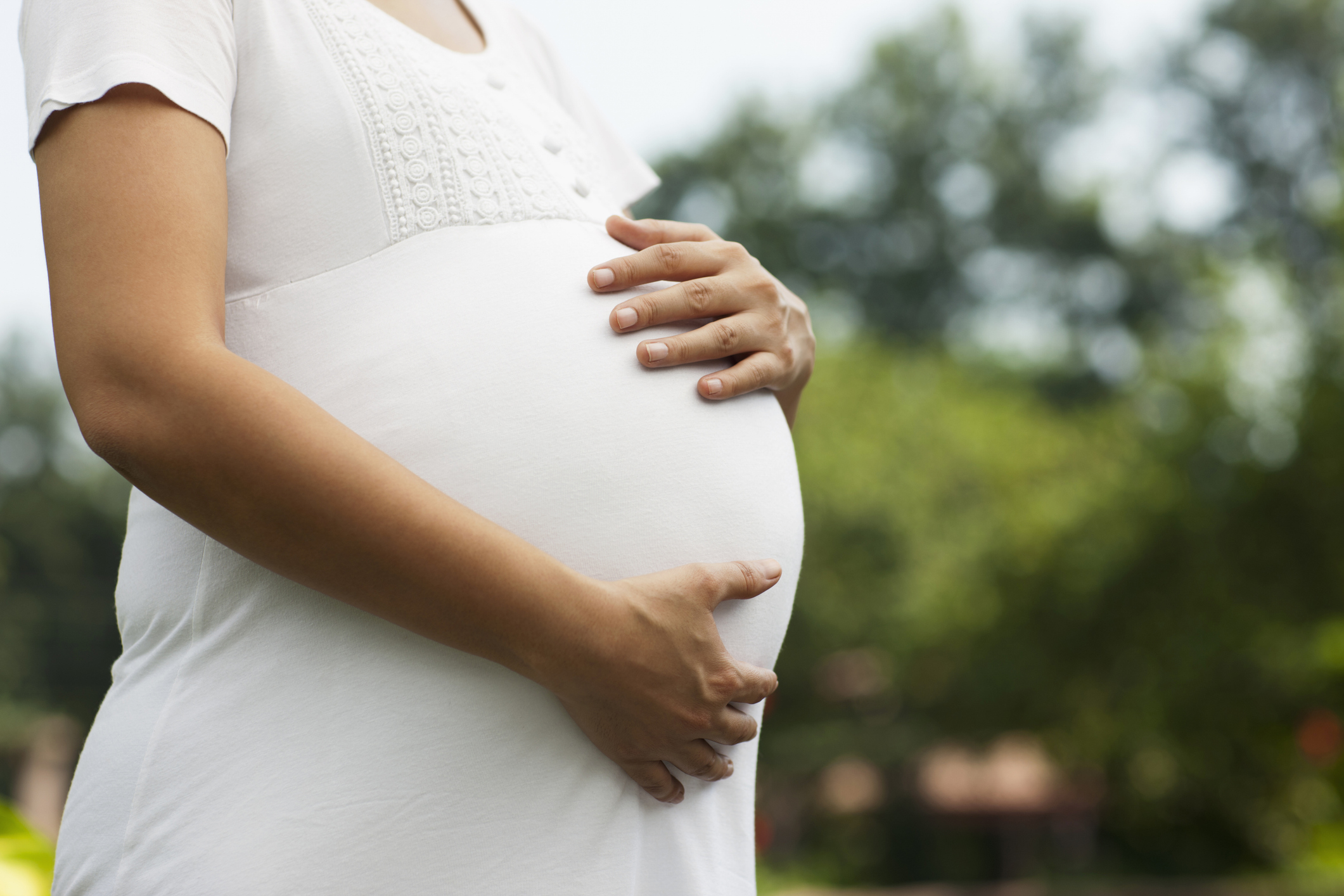
If you've ever spent half the night flipping from side to side with a pillow between your knees, feeling like a whale beached on a mattress, you’re definitely not alone. Getting comfortable during pregnancy can feel like a Herculean task. Between the growing bump, heartburn, and frequent trips to the bathroom, a good night's sleep can seem like a distant memory. And then you start wondering…am I even sleeping safely?
It’s easy to feel overwhelmed by all the do’s and don’ts, but trust me, making some simple adjustments to your sleep position can make a real difference – not just for your comfort, but for your little one's well-being too. It’s not about achieving perfection (because let’s be honest, that’s impossible during pregnancy!), but about making informed choices that promote a healthier and more comfortable pregnancy. It’s about ensuring optimal blood flow and oxygen for both you and your baby. Even small changes can have a positive impact.
One of the easiest tweaks you can make right now is to embrace the power of pillows. I'm talking about creating a cozy nest that supports your bump and prevents you from rolling onto your back. Try placing a pillow under your belly for extra support, and another between your knees to align your hips. Yes, even if it feels like you're wrestling a body pillow all night!
Unsafe Sleep Positions During Pregnancy
Okay, let’s get down to the nitty-gritty. We’ve all heard that sleeping on your back isn't ideal during pregnancy, especially in the later months. But why is that? And what other positions might not be as safe as you think?
The biggest reason to avoid sleeping flat on your back is that it can compress a major blood vessel called the inferior vena cava. This vessel carries blood back to your heart from your lower body. When your uterus gets bigger, it can put pressure on this vessel when you're lying on your back, potentially reducing blood flow to your uterus and, consequently, to your baby. Reduced blood flow can lead to dizziness, shortness of breath, and other uncomfortable symptoms for you. More importantly, it can potentially impact your baby's oxygen supply.
But what if you wake up on your back? Don't panic! It happens to the best of us. Just gently roll onto your side and try to get comfortable again. The goal is to minimize the amount of time you spend on your back, not to achieve a perfect, motionless sleep all night.
Also, while stomach sleeping becomes physically impossible as your pregnancy progresses (unless you have averycreative pillow arrangement!), it’s generally not recommended even in the early stages. While it’s unlikely to cause direct harm, it can put unnecessary pressure on your abdomen and potentially contribute to discomfort.
Is it safe to sleep on my back while pregnant?
The general consensus among healthcare professionals is that prolonged back sleeping, particularly during the second and third trimesters, is best avoided. Occasional brief periods on your back are usually fine, but making a conscious effort to sleep on your side is the safest option.
Worried About Rolling Onto My Back? Try This
It's totally normal to be worried about subconsciously rolling onto your back while you sleep. Here are a few tips to help you stay on your side: Pillow Placement is Key: Use a wedge pillow behind your back to make it less comfortable to roll over. You can also use a rolled-up blanket or towel. The Tennis Ball Trick: This old-school trick involves sewing a tennis ball into the back of a pajama top. It will make sleeping on your back uncomfortable, encouraging you to roll onto your side. (This might be a little extreme for some, but hey, desperate times call for desperate measures!). Body Pillow Embrace: Cuddle up with a full-length body pillow. It provides support for your bump and knees and makes it harder to roll over. Elevate Your Upper Body: Sleeping slightly inclined can also alleviate pressure on the inferior vena cava. You can use an adjustable bed or prop yourself up with pillows.
The Magic of Side Sleeping During Pregnancy
So, if back sleeping is a no-go, what’s the best position for sleeping safely when pregnant? Side sleeping, particularly on your left side, is generally considered the gold standard.
Sleeping on your left side is believed to be slightly better than your right because it takes pressure off your liver and allows for optimal blood flow to the uterus, kidneys, and heart. This ensures that your baby receives the maximum amount of nutrients and oxygen. It can also help reduce swelling in your ankles, feet, and hands.
Don’t stress too much aboutalwaysstaying on your left side. Alternating between your left and right sides is perfectly fine. The important thing is to avoid prolonged periods on your back. The key is finding a comfortable position on either side that allows you to rest. Experiment with different pillow arrangements to find what works best for you.
Which side is best for circulation during pregnancy?
While both left and right side sleeping are preferable to back sleeping, the left side is often cited as slightly better for circulation. This is because the inferior vena cava (the major vein carrying blood back to your heart) is located on the right side of your body. Sleeping on your left side takes pressure off this vein, potentially improving blood flow.
Tips for Comfortable Pregnant Side Sleeping
Side sleeping can take some getting used to, especially if you're a lifelong back sleeper. Here are some tips to make it more comfortable: Invest in a good body pillow: A U-shaped or C-shaped body pillow can provide support for your entire body, relieving pressure on your hips, back, and knees. Use a pillow between your knees: This helps align your hips and prevent lower back pain. Place a pillow under your belly: This provides extra support and reduces strain on your abdominal muscles. Experiment with different pillow thicknesses and positions: Find what feels most comfortable for you. Consider a wedge pillow:Wedge pillows can be used behind your back to prevent you from rolling over or under your belly for extra support.
Beyond Position: Optimizing Your Sleep Environment
Safe sleep positions in pregnancy are vital, but they're just one piece of the puzzle. Creating a comfortable and conducive sleep environment is equally important.
Think about your bedroom. Is it dark, quiet, and cool? These are all essential elements for a good night's sleep. Blackout curtains, a white noise machine, and a comfortable temperature can make a world of difference.
Also, consider your pre-bedtime routine. Avoid caffeine and sugary drinks in the evening, and try to wind down with a relaxing activity like reading, taking a warm bath, or listening to calming music. A relaxing routine can signal to your body that it's time to sleep.
Don't underestimate the power of a comfortable mattress and supportive pillows. If your mattress is old or uncomfortable, it might be time for an upgrade. A good mattress can provide the support you need to sleep comfortably and prevent aches and pains.
Finally, remember to stay hydrated throughout the day, but avoid drinking large amounts of fluids right before bed to minimize those nighttime bathroom trips.
How to sleep safely when pregnant with twins?
Sleeping safely when pregnant with twins follows the same general guidelines as with a singleton pregnancy – prioritize side sleeping, particularly on your left side, especially in the later trimesters. However, the increased size and pressure from carrying twins may make finding a comfortable position even more challenging.
Pillow support becomes even more crucial when carrying twins. A full body pillow or multiple pillows can help support your back, belly, and knees. Experiment with different arrangements to find what works best for you.
Consider elevating your upper body slightly with pillows to help alleviate pressure on your diaphragm and make breathing easier. This can be especially helpful as your uterus expands.
Be extra mindful of any symptoms like dizziness, shortness of breath, or swelling, as these can be exacerbated when carrying twins. If you experience any concerning symptoms, contact your healthcare provider.
Remember to listen to your body and adjust your sleep position and environment as needed. What works for one twin pregnancy may not work for another.
Pregnancy is a marathon, not a sprint, and sleep is essential for your physical and emotional well-being. Even if you can't achieve a perfect eight hours every night (and let’s be honest, who can during pregnancy?), making small changes to your sleep position and environment can make a big difference. Don't beat yourself up about waking up on your back or not getting enough sleep. Just focus on making gradual improvements and prioritizing rest whenever you can. You're doing an amazing job, mama, and both you and your little one deserve a good night's sleep (or at least as good as it gets!).