
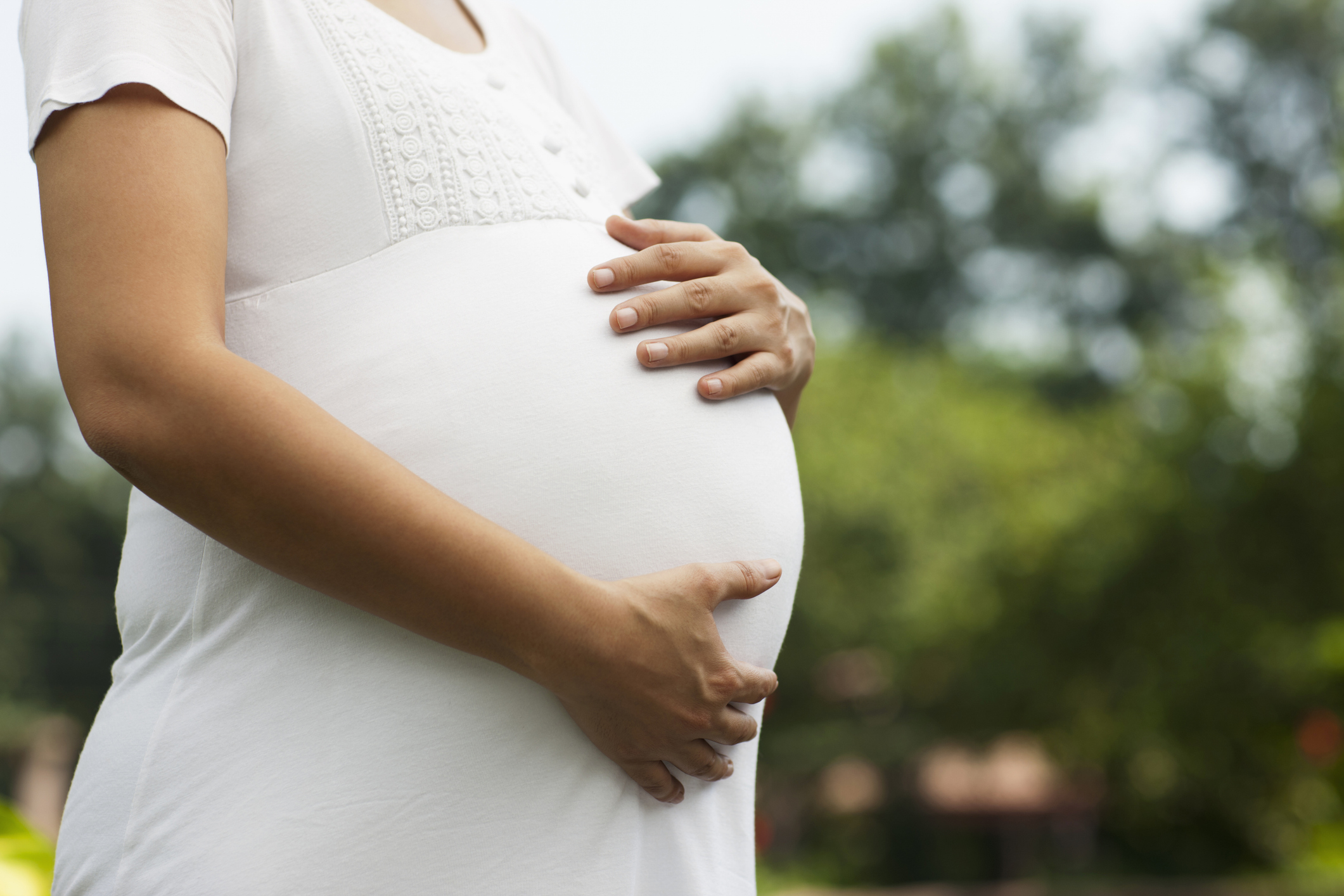
If you’ve ever spent half the night flipping from side to side with a pillow between your knees, desperately trying to find thatoneposition that doesn’t make you feel like a beached whale, you’re not alone. Pregnancy sleep is a wild ride! Between the growing bump, heartburn, and constant need to pee, getting a good night's rest can feel like an impossible dream. But figuring out the safest sleep positions during pregnancy is more than just about your comfort—it's a really important part of keeping both you and your little one healthy and happy.
It can be tempting to just collapse into whatever position feels remotely comfortable, especially when exhaustion hits. But trust me, making a few conscious adjustments to your sleep routine can make a real difference. Safe sleep positions in pregnancy improve blood flow, reduce pressure on major organs, and ultimately, help your baby thrive. So, while the struggle is real (and yes, we’ve all been there!), knowing which positions doctors don’t recommend is the first step towards a better night’s rest.
One small but mighty tip I swear by? Tuck a pillow under your belly. Seriously. This little trick can work wonders in relieving pressure on your back and hips, making side sleeping much more comfortable. It might feel a little weird at first, but give it a try – your body (and your baby!) will thank you.
Sleep Positions to Avoid During Pregnancy
Okay, let's dive into the sleep positions that are generally not recommended during pregnancy. And don't worry, I'm not here to add to your stress. This isn’t about judging your sleep habits; it’s about giving you the information you need to make the best choices for you and your baby. So, let's get real about what the experts say and what that actually means for your nightly routine.
The big one that always comes up is sleeping on your back. I know, I know, sometimes it justfeelsgood to stretch out on your back, especially in the early days before your bump is huge. However, as your pregnancy progresses, sleeping flat on your back puts significant pressure on a major blood vessel called the vena cava. This vessel is responsible for returning blood from your lower body to your heart. When you're lying on your back, your uterus and baby can compress the vena cava, reducing blood flow to your uterus and potentially causing issues with nutrient delivery to your baby.
Reduced blood flow can also lead to some not-so-pleasant side effects for you, mama. Think dizziness, shortness of breath, and increased heart rate. Not exactly the recipe for a peaceful night's sleep! While occasional back sleeping is usually not a cause for panic, consistently sleeping on your back, especially in the second and third trimesters, is best avoided.
And then there’s sleeping on your stomach. Now, this one is usually pretty self-limiting! In the early weeks, you might not even realize you need to change your position. But as your belly grows, it will naturally become increasingly uncomfortable (and eventually, physically impossible!) to sleep face down. It's just not feasible to sleep on your stomach when you're rocking a baby bump. If you’re a dedicated stomach sleeper, you’ll find that your body will probably tell you to switch positions long before it becomes a medical concern. Consider yourself naturally weaned off that position!
Is it safe to sleep on my back while pregnant?
As mentioned earlier, occasional back sleeping is generally considered okay, especially in the first trimester. The real concern arises in the second and third trimesters, when the weight of your uterus can compress the vena cava. If you wake up on your back, don't panic. Just gently roll onto your side. The goal is to minimize prolonged periods of back sleeping. If you're worried about rolling onto your back, try placing pillows behind you to create a gentle incline. This can help prevent you from fully turning over during the night. Think of it as building a comfy little fortress around yourself!
The Side Sleeping Solution: Left vs. Right
Okay, so we've established that side sleeping is the way to go. But which side is best? You've probably heard that sleeping on your left side is theabsolute bestposition during pregnancy. And while there's definitely some truth to that, it's not quite as black and white as it sounds.
Sleeping on your left side is generally recommended because it takes pressure off your liver and kidneys. It also promotes optimal blood flow to the uterus, allowing for the best possible nutrient delivery to your baby. Think of it as the VIP lane for blood flow!
However, that doesn't mean youhaveto stay glued to your left side all night long. That's just not realistic, especially when you're tossing and turning every hour to pee. Spendingmostof your time on your left side is ideal, but alternating between your left and right sides is perfectly fine, too. The important thing is to avoid prolonged periods of back sleeping.
Some women might find that sleeping on their right side is more comfortable, especially if they have certain pre-existing conditions. Listen to your body! If you find that you feel more comfortable on your right side, that's okay. The goal is to find a position that allows you to get the most restful sleep possible, while still minimizing pressure on your major blood vessels.
And remember, perfectly executing these recommendations is less important than creating a routine that promotes good rest.
Which side is best for circulation?
As we discussed, the left side is often cited as being the best for circulation during pregnancy. Sleeping on your left side helps to optimize blood flow to the uterus, placenta, and baby. It also takes pressure off your inferior vena cava, the large vein that returns blood from your lower body to your heart. However, it's important to listen to your body and find the position that feels most comfortable for you. Switching between your left and right sides can help to prevent discomfort and ensure that you're not putting too much pressure on any one area.
Making Side Sleeping More Comfortable
Let's be honest, side sleeping isn't always the most comfortable position, especially if you're used to sleeping on your back or stomach. But with a few clever adjustments and the right tools, you can make side sleeping much more bearable – yes, even if it feels like you’re wrestling a body pillow all night.
Pillows are your best friend during pregnancy. Invest in a good quality body pillow or a pregnancy pillow. These pillows are designed to support your belly, back, and knees, helping to align your spine and relieve pressure on your joints. Place the pillow between your knees to prevent your upper leg from pulling on your hip and back. You can also hug the pillow to support your upper arm and shoulder.
Another trick is to create a slight incline by placing a wedge pillow under your upper back. This can help to alleviate heartburn and improve breathing, two common pregnancy complaints that can disrupt sleep.
Don't be afraid to experiment with different pillow arrangements until you find what works best for you. Every body is different, so what works for one pregnant woman might not work for another. It's all about finding the sweet spot that allows you to relax and get the rest you need.
And remember those daytime habits? They have a HUGE impact on your sleep quality.
Stay hydrated: Drink plenty of water throughout the day, but try to cut back on fluids a few hours before bedtime to minimize those nighttime trips to the bathroom. Eat smaller, more frequent meals: This can help to prevent heartburn and indigestion, which can keep you up at night. Get regular exercise: Gentle exercise, like walking or swimming, can help to improve sleep quality. Just avoid strenuous workouts close to bedtime. Establish a relaxing bedtime routine: Take a warm bath, read a book, or listen to calming music to wind down before bed.
How to sleep safely when pregnant?
Prioritize side sleeping, use pillows for support, maintain good sleep hygiene, and listen to your body. If you wake up on your back, gently roll onto your side. Remember, the goal is to minimize prolonged periods of back sleeping. Staying hydrated during the day, eating smaller meals, and creating a relaxing bedtime routine are also key components of safe and comfortable sleep during pregnancy.
It’s Okay if it Isn’t Perfect!
Pregnancy is a journey, and so is pregnancy sleep! Some nights will be amazing, and you'll wake up feeling refreshed and ready to take on the world. Other nights will be a struggle, filled with tossing, turning, and countless trips to the bathroom. And that's okay. It's all part of the process. Don't beat yourself up if you don't always manage to sleep in the "perfect" position. The most important thing is that you're doing your best to prioritize safe sleep and listen to your body.
Remember, even small changes can make a big difference. A well-placed pillow, a relaxing bedtime routine, and a conscious effort to avoid back sleeping can all contribute to a better night's rest. And if you're still struggling, talk to your doctor or midwife. They can offer personalized advice and recommendations based on your individual needs and circumstances. Hang in there, mama. You're doing great, and you've got this!