
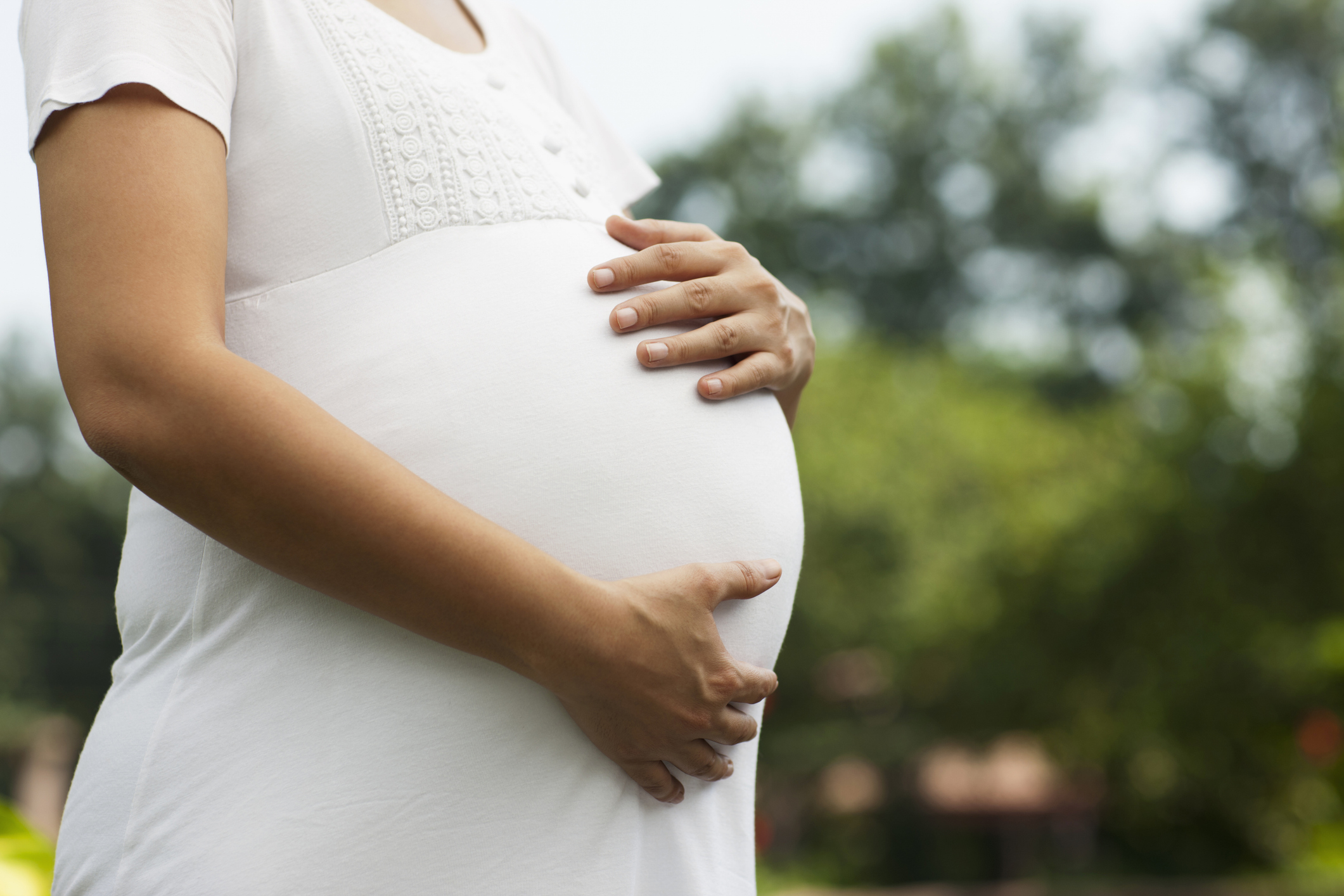
If you’ve ever spent half the night flipping from side to side with a pillow between your knees, feeling like a pretzel made of pregnant discomfort, you’re not alone. Getting comfortable during pregnancy, especially as that bump grows, can feel like an Olympic sport. Between heartburn, needing to pee every hour, and just plain not knowing where to put your belly, sleep can become a distant memory.
But here's the good news: finding safe and comfortable sleep positionsreallydoes make a difference, both for you and your little one. Not only will it improve your own sleep quality (as much as is humanly possible when pregnant!), but it also optimizes blood flow and nutrient delivery to your baby. So, let's ditch the tossing and turning and dive into some practical tips to help you find your most restful—and safest—sleep.
One of the simplest adjustments you can make tonight is to place a pillowunderyour belly when you lie on your side. Seriously, it's a game-changer. It provides extra support and takes the pressure off your back and hips. Think of it like a gentle hammock for your growing bump. You can even use a rolled-up towel if you don't have extra pillows handy! It might feel a little strange at first, but trust me, your body will thank you.
The Side-Sleeping Sweet Spot
Side sleeping, particularly on your left side, is generally considered the gold standard for safe sleep positions in pregnancy. There's a very good reason for this: sleeping on your left side optimizes blood flow to the uterus, allowing for maximum nutrient delivery to your baby. It also takes pressure off your liver and the large vein (the inferior vena cava) that returns blood to your heart. Basically, everyone's happier and healthier when you're side-sleeping. Yes, even if it feels like you're wrestling a body pillow all night.
But let’s be real: staying perfectly still all night is basically impossible. You will likely roll onto your other side, and maybe even onto your back at some point. Don’t panic! It’s about finding thepredominantposition that works best. The more time you can spend comfortably on your side, the better.
Is it safe to sleep on my back while pregnant?
While the advice is to avoid prolonged back sleeping, especially in the later stages of pregnancy, waking up on your back occasionally isn’t usually a cause for alarm. Your body will often let you know if the position is becoming problematic, usually through feeling lightheaded or uncomfortable. The goal is tominimizeback sleeping, not eliminate it completely.
Which side is best for circulation during pregnancy?
Sleeping on your left side is typically recommended as it takes pressure off the inferior vena cava, a major vein that returns blood to your heart. This position helps to improve circulation for both you and your baby.
Pillow Power: Your Best Friend During Pregnancy
Speaking of body pillows, let’s talk about pillow strategy. They are your allies in this quest for sleep! Don't underestimate the power of a good pillow (or three, or five!). Experiment with different types and placements to find what works best foryourbody.
Between the knees: This aligns your hips and reduces lower back strain. A classic move for a reason! Under the belly: As mentioned before, this provides crucial support as your bump grows. Behind your back: This can help prevent you from rolling onto your back in your sleep. It's like a gentle nudge to stay on your side. Behind your head: Makes sure you have support there too! This will help prevent neck strain.
There are even U-shaped and C-shaped body pillows specifically designed for pregnancy. These can provide full-body support and help you maintain a side-sleeping position. They might look a little ridiculous, but who cares when you're actually sleeping?
Don't be afraid to get creative and experiment with different pillow arrangements. Think of it as a nightly pillow fort-building exercise, but instead of defending against imaginary monsters, you're defending against pregnancy discomfort.
What If I Can’t Sleep On My Side?
Some women find side sleeping incredibly uncomfortable, especially if they have pre-existing back or hip issues. So, what if you just can't seem to make it work? First, talk to your doctor or a physical therapist. They can assess your individual situation and recommend strategies that are safe and effective for you.
Sometimes, it's about finding variations that work. For example, you might try elevating your upper body slightly with pillows to reduce heartburn and make side sleeping more comfortable. Or, you might find that a semi-prone position, where you're slightly tilted towards your stomach but still primarily on your side, works better.
The key is open communication with your healthcare provider and a willingness to experiment until you find what works best for you. Remember, every pregnancy is different, and what works for one woman might not work for another.
Worried about rolling onto my back?
It’s a common concern, but try not to stress too much. Placing a pillow behind your back can help prevent you from rolling over completely. If you do wake up on your back, simply roll back onto your side. Your body will often give you cues (like feeling dizzy or uncomfortable) if the position is causing any issues.
Beyond Position: Creating a Sleep-Friendly Environment
Safe sleep positions are crucial, but they're only one piece of the puzzle. Creating a relaxing and sleep-friendly environment is just as important. Think of it as setting the stage for a good night's rest.
Keep your bedroom cool, dark, and quiet: This is sleep hygiene 101, but it's even more important during pregnancy. Establish a relaxing bedtime routine: This could include a warm bath, reading a book, or listening to calming music. Avoid screen time before bed, as the blue light can interfere with sleep. Watch your fluid intake before bed: Yes, you need to stay hydrated, but try to limit your fluid intake in the hour or two before bed to minimize nighttime bathroom trips. Snack smart: A small, protein-rich snack before bed can help stabilize your blood sugar and prevent nighttime hunger pangs. Think a handful of almonds, a small yogurt, or a piece of fruit with peanut butter. Consider a white noise machine or fan:These can help drown out distracting noises and create a more calming environment.
Listen to Your Body
Above all, listen to your body. Pregnancy is a time of incredible change, and your body is constantly giving you feedback. Pay attention to what feels comfortable and what doesn't. Don't be afraid to adjust your sleep position or pillow arrangement as needed.
If you're experiencing persistent pain or discomfort, talk to your doctor or a physical therapist. They can help you identify any underlying issues and recommend strategies to alleviate your symptoms.
Remember, you're not alone in this. Many pregnant women struggle with sleep. Be kind to yourself, be patient, and don't be afraid to ask for help.
The Takeaway
Finding safe and comfortable sleep positions during pregnancy is a journey, not a destination. There will be nights when you sleep like a baby (pun intended!), and nights when you feel like you're wrestling an octopus. That’s normal. Every little adjustment you make, every pillow you strategically place, makes a difference. Even imperfect sleep is still sleep. Small changes can lead to big improvements in your overall well-being. You've got this, mama. Now go get some rest (or at least try to!).