
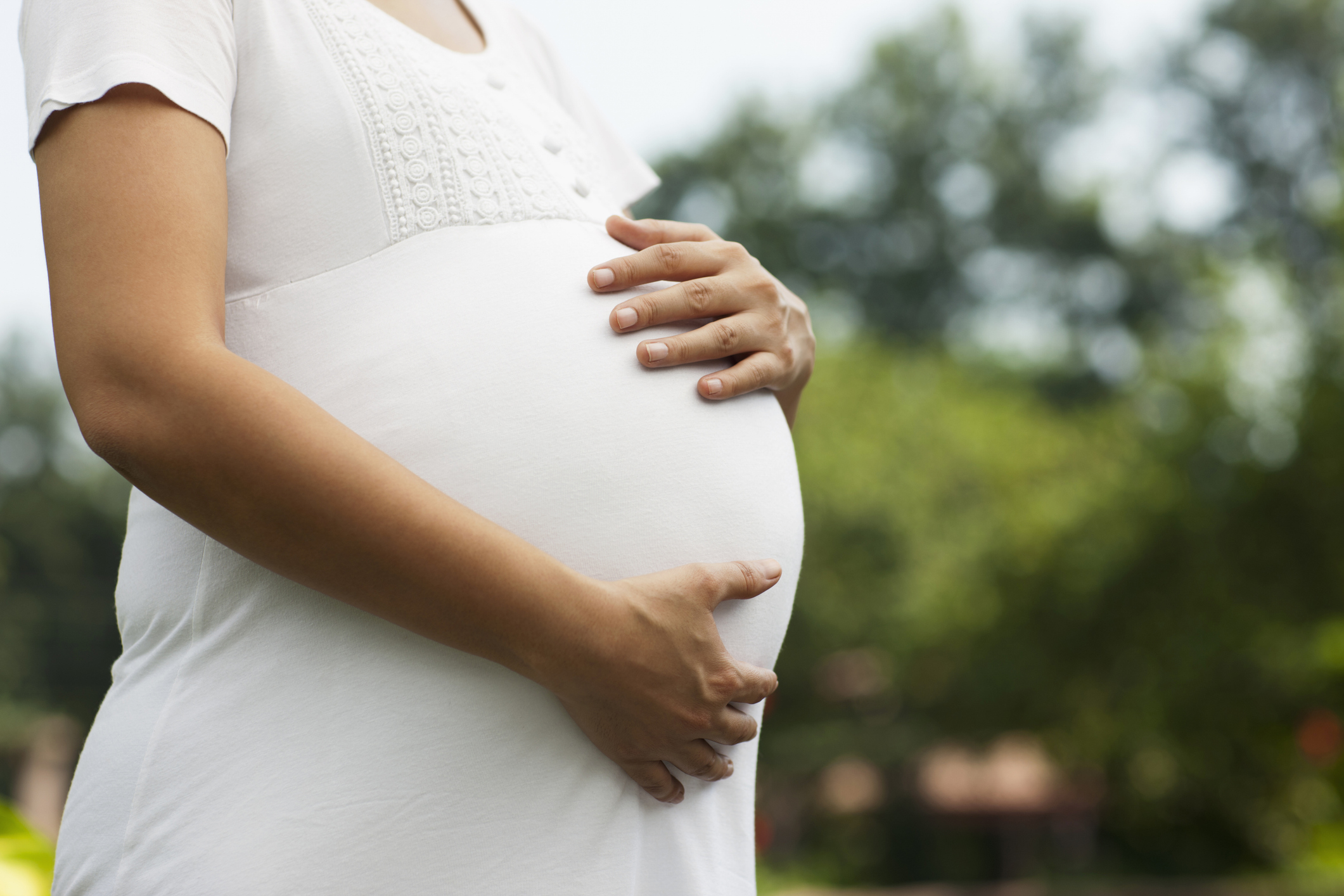
If you’ve ever spent half the night flipping from side to side with a pillow between your knees, desperately trying to find a sliver of cool sheet, you're not alone. Pregnancy insomnia mixed with what feels like an internal furnace is arealthing. And when you factor in the constant worry of “Am I sleeping safely?” it’s enough to make any mama-to-be feel completely exhausted before the sun even rises.
Finding comfortable and safe sleep positions in pregnancy can feel like an impossible quest, especially when you’re already battling morning sickness (or, let’s be honest, all-day sickness), heartburn, and the general discomfort of a growing bump. But here’s the good news: prioritizing safe sleepreallydoes make a difference for both you and your little one. It helps improve blood flow, reduces pressure on major organs, and contributes to overall well-being. So even those small adjustments, the ones that feel like a tiny victory in the middle of the night, add up to something big.
One of the simplest, most effective adjustments you can make is using a pillow to support your growing belly. Seriously! It might seem obvious, but a little extra support can take a surprising amount of pressure off your back and hips, allowing you to settle into a more comfortable side-sleeping position. Place a pillow (or two!) under your belly for support as you lie on your side. It helps keep your spine aligned and prevents your tummy from pulling you forward, which can cause back pain.
Cooling Down: Beating the Pregnancy Heat
Pregnancy hormones are notorious for turning up the thermostat inside your body. Add that to the physical exertion of carrying a baby, and it’s no wonder you’re feeling like you're in the middle of a heatwave, even in the dead of winter. But don’t despair; there are ways to cool down and create a more sleep-friendly environment.
Think about your bedroom as your personal oasis. Start by lowering the temperature. A slightly cooler room (around 65-68°F or 18-20°C) is generally recommended for optimal sleep. If your partner prefers a warmer temperature, consider a fan directed towards your side of the bed.
Next, ditch the heavy blankets and opt for lightweight, breathable fabrics like cotton, linen, or bamboo. These materials wick away moisture and allow air to circulate, keeping you cooler and more comfortable. Layering is key; that way, you can easily adjust the amount of coverage you need throughout the night.
Don't underestimate the power of a cool shower or bath before bed. It can lower your core body temperature and promote relaxation. If a full shower isn't feasible, try splashing cool water on your face and neck. A cool compress on your forehead or the back of your neck can also provide immediate relief.
Stay hydrated throughout the day. Drinking plenty of water helps regulate your body temperature and prevents dehydration, which can exacerbate feelings of heat. Keep a water bottle by your bedside so you can easily take sips throughout the night.
Finally, consider investing in a cooling mattress pad or pillow. These products are designed to dissipate heat and keep you cool while you sleep. They can be a game-changer for pregnant women who struggle with night sweats or overheating.
Is it normal to feel hotter during pregnancy?
Absolutely! It’s a very common experience. The increased blood flow, elevated hormone levels, and a higher metabolic rate all contribute to feeling warmer than usual. Don’t worry, you’re not imagining it.
What are the best fabrics to sleep in when pregnant?
Look for natural, breathable fabrics like cotton, linen, bamboo, or even silk. Avoid synthetic fabrics like polyester, which can trap heat and make you feel even hotter. Loose-fitting pajamas are also a good idea.
Safe Sleep Positions: Prioritizing Your and Baby's Well-being
Okay, let's talk about the sleeping position elephant in the room. You’ve probably heard a million different opinions on the "right" way to sleep when pregnant. While it’s true that some positions are generally recommended over others, the most important thing is to listen to your body and find what feels most comfortablefor you.
The general recommendation is to sleep on your side, particularly your left side. This position promotes optimal blood flow to the uterus, placenta, and baby. It also reduces pressure on your liver and vena cava, a major blood vessel that returns blood to your heart.
But what if you wake up on your back? Don't panic! It's perfectly normal to shift positions during sleep. The key is to start on your side and make it as comfortable as possible so you're less likely to roll onto your back in the first place. If you do wake up on your back, simply roll back onto your side. Your body will usually let you know if you're in a position that's not optimal. You might feel dizzy, nauseous, or short of breath, which are all signals to change positions.
For those of you worried about rolling onto your back (yes, even if it feels like you’re wrestling a body pillow all night), try this trick: place a pillow behind your back to create a gentle barrier. This will make it more difficult to roll over completely and can help you maintain a side-sleeping position.
And let's be honest, finding a comfortable position with a growing bump can feel like a constant challenge. That’s where pillows come in! Experiment with different shapes and sizes to find what works best for you. A body pillow can be a lifesaver, providing support for your belly, back, and knees. Wedge pillows can also be helpful for propping yourself up slightly, which can ease heartburn and improve breathing.
Remember, every pregnancy is different, and what works for one woman may not work for another. Don't be afraid to experiment and find what feels best for you. And if you have any concerns about your sleep position, don't hesitate to talk to your doctor or midwife.
Is it safe to sleep on my back while pregnant?
While occasional back sleeping is usually fine, it’s generally recommended to avoid prolonged periods of back sleeping, especially in the later stages of pregnancy. The weight of your uterus can compress the vena cava, potentially reducing blood flow to you and your baby.
Which side is best for circulation during pregnancy?
Sleeping on your left side is generally considered the best position for circulation, as it takes pressure off the vena cava. However, sleeping on your right side is also generally safe.
Pillow Power: Your Pregnancy Sleep BFFs
Let’s dive deeper into the wonderful world of pregnancy pillows! These aren’t just any ordinary pillows; they're specifically designed to provide support and comfort during pregnancy, and they can be a total game-changer when it comes to getting a good night’s sleep.
There are several different types of pregnancy pillows available, each with its own unique benefits. The most popular include: Body Pillows: These long, full-body pillows can be molded into various shapes to support your belly, back, and knees. They're great for providing all-over support and can help you maintain a side-sleeping position. U-Shaped Pillows: These pillows surround your entire body, providing support on both sides. They're ideal for women who tend to toss and turn in their sleep. C-Shaped Pillows: Similar to U-shaped pillows, but with one open end. They provide excellent support for your belly and back, while still allowing you to move around more easily. Wedge Pillows: These small, triangular pillows can be used to prop up your belly, back, or head. They're great for providing targeted support and can be used in a variety of positions.
Experiment with different pillow placements to find what feels most comfortable for you. Try placing a pillow between your knees to align your hips and reduce back pain. You can also use a pillow to support your belly, preventing it from pulling you forward.
Don't be afraid to get creative! There's no one-size-fits-all approach to using pregnancy pillows. Play around with different configurations until you find what works best for your body.
Remember, finding the right pillow can make a world of difference in your sleep quality and overall comfort during pregnancy.
What is the best pregnancy pillow for back pain?
A body pillow or U-shaped pillow can be particularly helpful for back pain, as they provide support for your entire body and help maintain proper spinal alignment.
How early in pregnancy should I start using a pregnancy pillow?
You can start using a pregnancy pillow as soon as you feel like you need extra support or are struggling to find a comfortable sleeping position. There's no set timeline, so listen to your body.
Beyond Position: Creating a Sleep Sanctuary
While finding the right sleep position is crucial, it’s only one piece of the puzzle. Creating a relaxing and conducive sleep environment is equally important. Think of your bedroom as your personal sanctuary, a place where you can unwind and prepare for a restful night.
Start by establishing a consistent sleep routine. Go to bed and wake up around the same time each day, even on weekends, to regulate your body's natural sleep-wake cycle.
Create a relaxing bedtime ritual. This could include taking a warm bath, reading a book (arealbook, not scrolling through your phone!), listening to calming music, or practicing gentle stretching or yoga.
Avoid screen time for at least an hour before bed. The blue light emitted from electronic devices can interfere with melatonin production, making it harder to fall asleep.
Limit caffeine and alcohol consumption, especially in the evening. These substances can disrupt sleep and worsen pregnancy symptoms like heartburn.
Make sure your bedroom is dark, quiet, and cool. Use blackout curtains to block out light, earplugs to minimize noise, and a fan to keep the air circulating.
Consider using aromatherapy to promote relaxation. Lavender, chamomile, and sandalwood are all known for their calming properties. You can use essential oil diffusers, room sprays, or even add a few drops to your bath.
And finally, don't be afraid to ask for help! If you're struggling to sleep, talk to your partner, family, or friends. They can offer support, help with household chores, or simply lend a listening ear.
It's Okay to Not Be Perfect
Let's be real: perfect sleep during pregnancy is often a myth. There will be nights when you toss and turn, nights when you wake up multiple times to pee, and nights when you just can't seem to get comfortable no matter what you try. And that's okay.
Don't beat yourself up about it. Pregnancy is a time of immense change, and your body is working hard to grow a human being. It's normal to experience sleep disturbances.
Focus on making small, sustainable changes that you can incorporate into your daily routine. Every little bit helps.
Remember, even imperfect sleep is still sleep. And even a few hours of rest can make a big difference in your mood and energy levels.
Be kind to yourself, mama. You're doing an amazing job. And before you know it, you'll be holding your little one in your arms, and the sleepless nights will take on a whole new meaning. Until then, keep experimenting, keep adjusting, and keep prioritizing your well-being. You've got this!