
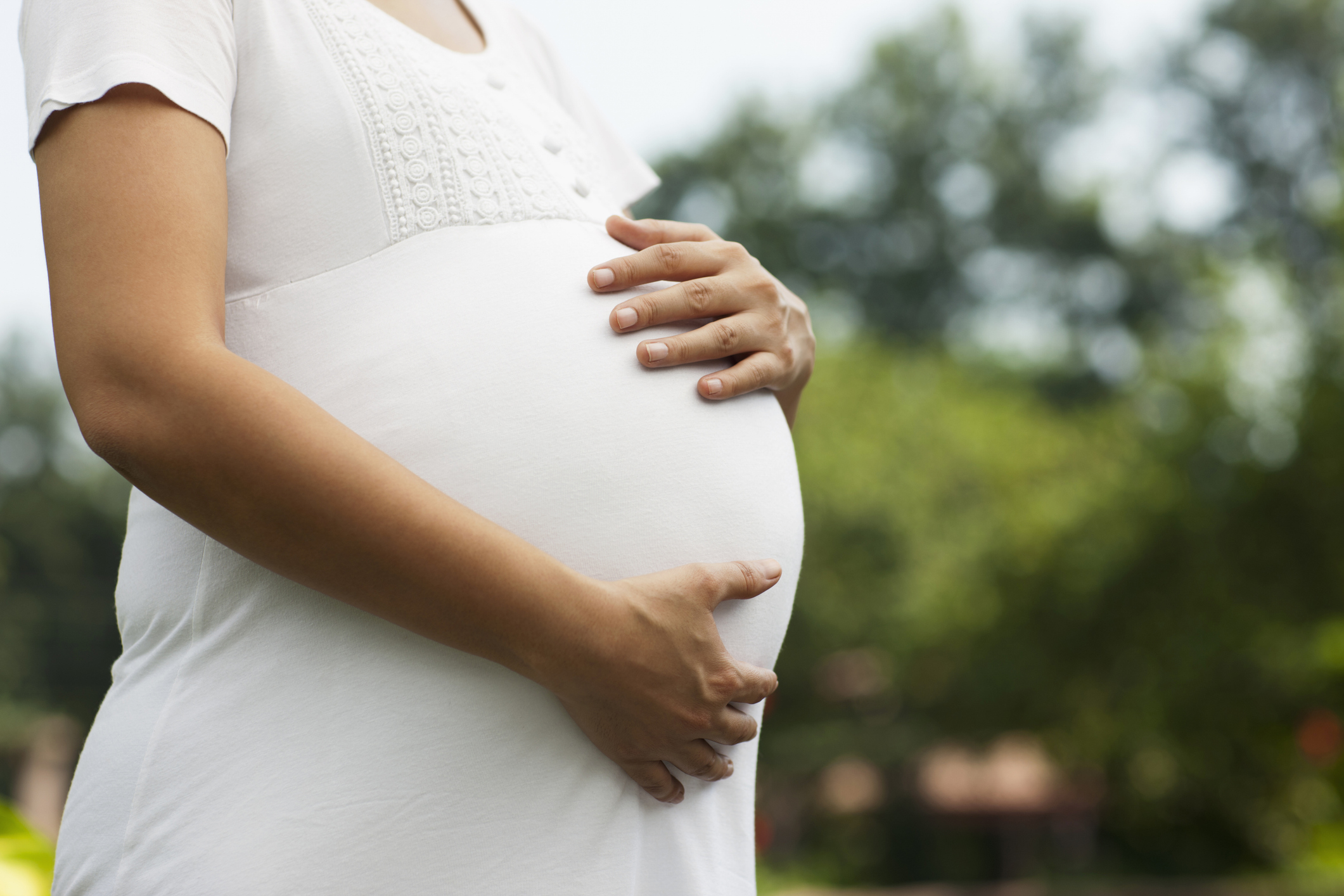
If you’ve ever spent half the night flipping from side to side with a pillow between your knees, convinced your bladder is a never-ending fountain, you're not alone. Pregnancy insomnia is real, and when you throw in the discomfort of a growing bump and the dreaded pregnancy bloat, a good night's sleep can feel like a distant dream.
But here’s the good news: finding safe and comfortable sleep positions during pregnancycanmake a difference. It's not just about your comfort (though that’s a huge win!), but also about ensuring optimal blood flow and oxygen for you and your little one. Trust me, even small adjustments to your sleep routine can lead to a more restful (or at leastlessrestless) night.
One simple tweak that many moms swear by? Try placing a pillow under your belly for extra support. It sounds basic, but that little bit of lift can relieve pressure on your back and hips, easing the strain caused by that beautiful bump. Think of it as a mini hammock for your baby – a comfortable little cradle for a more peaceful night.
The Lowdown on Sleep Positions During Pregnancy
Navigating sleep positions during pregnancy can feel like a minefield. One minute you're dozing off, the next you're wide awake, panicking about whether you’re squishing the baby or cutting off circulation. Let’s break down the safest (and most comfortable) ways to catch those precious Zzz's.
The golden rule you'll hear from every doctor and well-meaning aunt is that side sleeping is generally considered the best option during pregnancy, especially as you move into the second and third trimesters. Why? Because it helps optimize blood flow to your uterus, providing your baby with the nutrients and oxygen they need. Sleeping on your side also takes pressure off your liver and kidneys, which are already working overtime.
But here's the thing: side sleeping isn't always comfortable. Your hips might ache, your shoulders might complain, and you might feel like you’re constantly shifting. That's where strategic pillow placement comes in. We're talking pillows between your knees, under your belly, and behind your back – yes, even if it feels like you’re wrestling a body pillow all night.
The "left side is best" mantra is often repeated, and while sleeping on your left sidecanbe slightly better for blood flow (due to the position of your inferior vena cava, the major vein that returns blood from your lower body to your heart), don't stress too much about it. The most important thing is finding a side sleeping position that works for you and allows you to get some rest. If you naturally shift from your left to your right side during the night, that's perfectly fine. Your body is pretty smart and will usually adjust to what's most comfortable.
Think of it this way: good sleep is good for both of you. Don’t get hung up on perfection – aim for comfort and safety.
Is it Safe to Sleep on My Back While Pregnant?
This is probably the number one question on every pregnant woman’s mind, especially if you're a lifelong back sleeper. The short answer is that sleeping on your back, particularly in the later stages of pregnancy, isn't ideal. The weight of your uterus can compress that inferior vena cava we talked about, which can reduce blood flow to you and your baby. This can lead to dizziness, shortness of breath, and even decreased blood pressure.
Now, here's where the reassurance comes in: if you wake up on your back, don't panic! Your body is pretty good at alerting you when something's not quite right. You'll likely feel uncomfortable and naturally shift to your side. The goal is to avoidstayingon your back for extended periods.
One clever trick is to prop yourself up slightly with pillows behind your back. This prevents you from lying completely flat and reduces the risk of compressing the vena cava. Think of it as a gentle incline rather than a flat-on-your-back position.
Many women also worry aboutaccidentallyrolling onto their back in their sleep. This is totally understandable, especially if you're a restless sleeper. You can create a barrier using pillows to help prevent rolling. A wedge pillow placed behind your back can be particularly effective. Just remember, the goal isn't to stay perfectly still all night (that's impossible!), but to gently discourage back sleeping.
Which Side is Best for Circulation?
As mentioned earlier, sleeping on your left side is often touted as the "best" for circulation during pregnancy. This is because the inferior vena cava is located on the right side of your body. Sleeping on your left side theoretically takes the pressure off this major vein, allowing for optimal blood flow.
However, don't feel like you have to stay glued to your left side all night long. Both sides are generally safe, and alternating between your left and right side can actually be more comfortable and prevent stiffness. Listen to your body and choose the side that feels most comfortable for you.
The key is to prioritize side sleeping in general and avoid prolonged periods of back sleeping, particularly as your pregnancy progresses.
Practical Tips for Comfortable Side Sleeping
So, side sleeping is the goal, but how do you actually make it comfortable? It's not always as easy as just flopping over on your side. Here are some tried-and-true strategies to help you find your side-sleeping sweet spot: Pillow Power: Pillows are your best friends during pregnancy. Invest in a good quality body pillow or pregnancy pillow. Experiment with different shapes and sizes to find what works best for you. Use pillows between your knees, under your belly, and behind your back for maximum support. I personally loved using a U-shaped pillow that completely surrounded me – it felt like a cozy cocoon! Wedge Wonders: Wedge pillows are amazing for providing targeted support. Place one under your belly to alleviate pressure on your back or behind your back to prevent rolling onto your back. They're also great for propping yourself up slightly if you're experiencing heartburn or acid reflux. Mattress Matters: If your mattress is old and unsupportive, it might be time for an upgrade. A good mattress can make a world of difference in your overall comfort, especially during pregnancy. Consider a memory foam mattress or a mattress with zoned support to provide extra cushioning for your pressure points. Comfort is Key: Wear loose, comfortable clothing to bed. Avoid tight waistbands or restrictive fabrics that can dig into your skin and make you feel even more bloated. Hydration Habits: Drink plenty of water throughout the day, but try to limit your fluid intake in the hours leading up to bedtime to minimize those nighttime bathroom trips. Snack Smart: Avoid eating large, heavy meals before bed, as they can contribute to heartburn and indigestion. Opt for a light, healthy snack like a handful of almonds or a piece of fruit. Relaxation Rituals: Establish a relaxing bedtime routine to help you wind down and prepare for sleep. Take a warm bath, read a book, listen to calming music, or practice some gentle stretching. Positioning Pro: Try different side-sleeping positions to find what feels most comfortable. Some women prefer to curl up in a fetal position, while others prefer to lie with their legs straight. Experiment and see what works best for you. Don't be afraid to adjust your position throughout the night.
Worried About Rolling Onto My Back?
It’s a totally valid concern! Many moms find themselves waking up on their back and immediately panicking. Remember, occasional back sleeping isn't the end of the world. Your body will likely let you know when it's time to switch positions.
To minimize the risk of rolling onto your back, try creating a physical barrier with pillows. Place a wedge pillow or a rolled-up blanket behind your back to make it more difficult to roll over. You can also try sleeping with a partner or pet on the side you're trying to avoid rolling onto.
Another helpful tip is to practice side sleeping during the day. Take naps on your side or spend some time relaxing on your side while reading or watching TV. The more you practice, the more natural it will become.
How to Sleep Safely When Pregnant With Twins?
Sleeping safely when pregnant with twins requires the same basic principles as sleeping safely with a singleton pregnancy, but with a few extra considerations. Since you're carrying more weight, it's even more important to prioritize side sleeping to optimize blood flow to both babies.
Pillow support becomes even more crucial. A full body pillow or multiple pillows strategically placed around your body can help alleviate pressure on your back, hips, and belly.
You might also find that you need to adjust your sleeping position more frequently. Don't be afraid to experiment with different positions to find what feels most comfortable.
Listen to your body and don't hesitate to ask your doctor for advice. They can provide personalized recommendations based on your individual needs.
When to Talk to Your Doctor
While finding safe and comfortable sleep positions can help alleviate some of the discomforts of pregnancy, it's important to talk to your doctor if you're experiencing any of the following:
Severe or persistent back pain
Leg cramps or swelling
Heartburn or acid reflux that doesn't improve with over-the-counter remedies
Sleep apnea or other sleep disorders
Concerns about your baby's movement
Your doctor can help you identify any underlying issues and recommend appropriate treatment options. They can also provide personalized advice on how to sleep safely and comfortably during pregnancy.
Remember, even with the best strategies, sleep during pregnancy can be challenging. There will be nights when you toss and turn, wake up multiple times, and feel like you haven't slept at all. But try not to get discouraged. Even a few hours of restful sleep can make a difference. Focus on creating a comfortable and safe sleep environment, and don't be afraid to ask for help when you need it. Small changes add up, and you're doing an amazing job growing a human (or two!). Be kind to yourself, and remember that this too shall pass. You've got this, mama!