
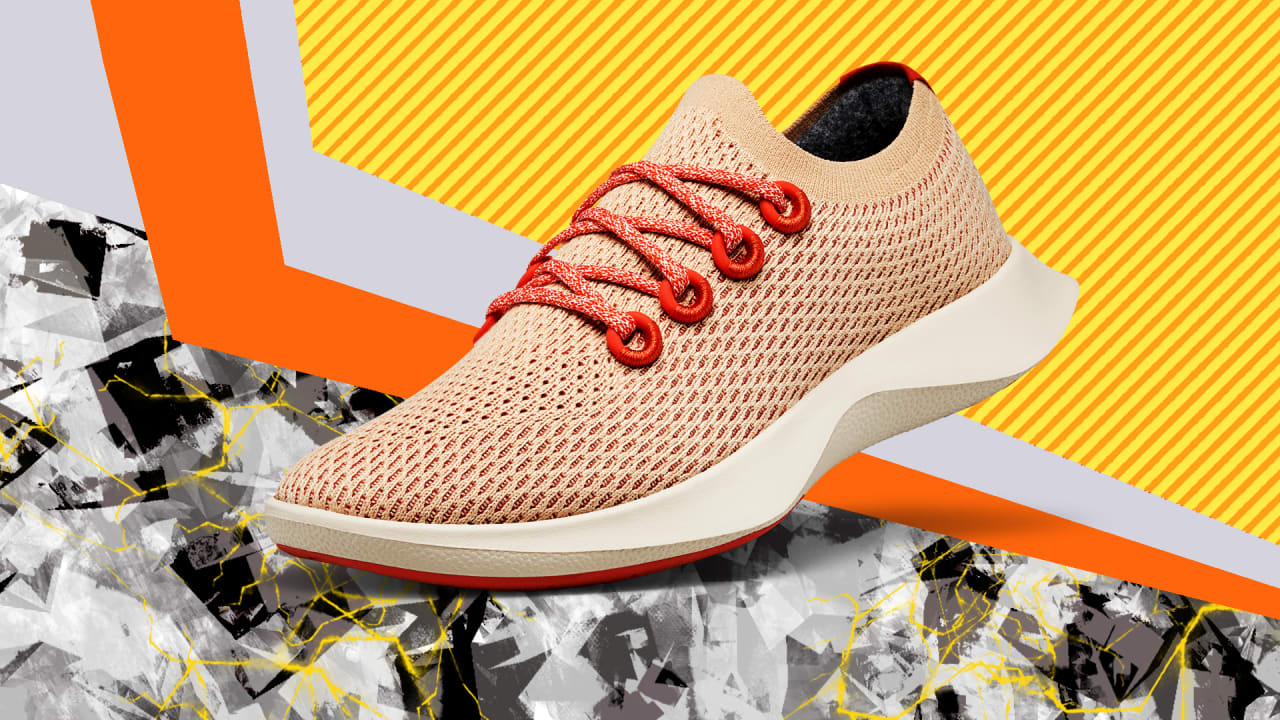
Stepping into the world of eco-friendly shoes feels good, doesn't it? Knowing you’re making a choice that's kinder to the planet while still looking stylish is a win-win. But with so many brands jumping on the sustainability bandwagon, it's easy to get lost in the greenwashing and wonder if those eco-conscious kicks arereallybetter than your regular sneakers.
The path to eco-friendly footwear isn't always paved with good intentions. Many consumers find themselves puzzled by complex terminology, unsure how to differentiate between truly sustainable options and those that simply make eco-friendly claims. It's easy to fall into the trap of thinking a shoe is sustainable just because it's labeled as such. Further, the lack of transparency in manufacturing processes makes it difficult to assess the actual environmental impact of different brands. Navigating ethical sourcing, understanding the life cycle of materials, and deciphering certifications adds another layer of complexity, leaving many wondering if their "eco-friendly" purchase is truly making a difference.
The good news is that navigating the world of eco-friendly shoes is absolutely doable. By understanding key materials, certifications, and manufacturing processes, you can confidently choose footwear that aligns with your values. It starts with looking beyond the surface-level "green" marketing and diving deeper into what the shoes are actually made of and how they're made. For example, are the shoes made from recycled materials like plastic bottles or sustainable materials like organic cotton, hemp, or innovative plant-based leathers? Is the manufacturing process transparent, ensuring fair labor practices and minimal environmental impact? Do the shoes have certifications like GOTS (Global Organic Textile Standard) or Fair Trade that verify these claims? Asking these questions and doing a bit of research can make a big difference in ensuring your purchase is genuinely eco-friendly.
Ultimately, opting for eco-friendly shoes comes down to making informed choices. Consider the materials, the production processes, and the company's commitment to sustainability. Don't be afraid to ask questions and look beyond the marketing hype. By prioritizing durability, ethical production, and a commitment to reducing your environmental footprint, you can step into a more sustainable future, one stylish shoe at a time. It's about progress, not perfection, and every conscious choice you make contributes to a more responsible fashion industry.
Are Eco-Friendly Shoes Really Better? What to Know: What You Need to Know
When considering if eco-friendly shoes are “really better,” it's crucial to broaden the scope beyond just the immediate aesthetics or comfort. While those aspects are undoubtedly important, the real value lies in the long-term impact on the environment and the ethical considerations woven into the shoe's creation. Truly eco-friendly shoes aim to minimize their carbon footprint through various means. This includes using materials like recycled plastics, which divert waste from landfills and reduce the need for virgin resources, or opting for renewable resources like cork, bamboo, and natural rubber harvested sustainably. Furthermore, many brands are exploring innovative materials like Piñatex (made from pineapple leaf fibers), mushroom leather, and algae-based foams, offering alternatives to traditional leather and synthetic materials. It's not just about what the shoes are made of, but also how they're made. Eco-conscious brands prioritize energy-efficient manufacturing processes, water conservation, and the reduction of harmful chemicals in dyeing and tanning processes. By understanding the entire life cycle of a shoe, from raw material extraction to end-of-life disposal, you can better assess its true environmental impact and make a more informed decision. Transparency is key, and brands committed to sustainability readily share information about their supply chains and manufacturing practices.
Expert Tips for Are Eco-Friendly Shoes Really Better? What to Know
To navigate the world of eco-friendly shoes like a pro, start by focusing on certifications. Look for labels like GOTS for organic cotton, OEKO-TEX for material safety, and Fair Trade for ethical production practices. These certifications provide assurance that the materials and processes meet specific environmental and social standards. Don't just rely on a single label; research the brand's overall sustainability initiatives. Do they have a take-back program for recycling old shoes? Are they transparent about their supply chain? A comprehensive approach to sustainability is a sign of genuine commitment. Consider the durability and longevity of the shoes. A well-made pair of shoes that lasts for years is ultimately more sustainable than a cheaply made pair that ends up in the landfill after a few months. Invest in quality and care for your shoes properly to extend their lifespan. When possible, choose shoes with repairable components. Soles can often be replaced, and minor damage can be repaired, extending the life of your shoes and reducing waste. Support brands that are actively working to reduce their environmental impact through innovative materials, ethical production practices, and transparent supply chains. Your purchasing power can drive positive change in the fashion industry.
Latest Trends Related to Are Eco-Friendly Shoes Really Better? What to Know
The eco-friendly shoe industry is constantly evolving, with exciting new trends emerging all the time. One major trend is the increasing use of bio-based materials. Brands are exploring innovative alternatives to traditional materials like leather and synthetic fabrics, using materials derived from plants, algae, and even fungi. These materials often have a lower environmental impact than conventional options and offer unique properties like breathability and durability. Another trend is the growing focus on circularity. Brands are designing shoes with end-of-life in mind, creating models that can be easily disassembled and recycled or repurposed. Take-back programs are becoming more common, allowing consumers to return their old shoes for recycling or refurbishment. Customization and made-to-order options are also gaining popularity. By offering shoes that are tailored to individual needs and preferences, brands can reduce waste and ensure that each pair is cherished and worn for a long time. The rise of conscious consumerism is driving demand for greater transparency and traceability in the supply chain. Consumers want to know where their shoes come from, who made them, and what impact they have on the environment and communities. Brands are responding by providing more detailed information about their sourcing and manufacturing practices.
Common Mistakes to Avoid in Are Eco-Friendly Shoes Really Better? What to Know
One of the biggest mistakes people make when buying eco-friendly shoes is falling for greenwashing. This occurs when brands exaggerate their environmental claims or mislead consumers about the true sustainability of their products. To avoid this, look beyond superficial marketing and dig deeper into the materials, manufacturing processes, and certifications. Another common mistake is prioritizing price over quality and durability. While it's tempting to opt for the cheapest option, a poorly made shoe that falls apart quickly is ultimately less sustainable than a well-made shoe that lasts for years. Invest in quality and choose shoes that are designed to withstand wear and tear. Ignoring the end-of-life of your shoes is another mistake. Consider what will happen to your shoes when they are no longer wearable. Choose shoes that can be recycled, repaired, or repurposed. Look for brands that offer take-back programs or use materials that are biodegradable. Failing to research the brand's overall sustainability initiatives is also a common pitfall. A brand's commitment to sustainability should extend beyond just a few eco-friendly products. Look for brands that have a comprehensive approach to reducing their environmental impact, from sourcing materials to manufacturing processes to packaging and shipping.
How to Style Are Eco-Friendly Shoes Really Better? What to Know for Different Occasions
Eco-friendly shoes aren't just about sustainability; they're about style and versatility too! For a casual weekend look, pair eco-friendly sneakers made from recycled materials with your favorite jeans and a comfortable organic cotton t-shirt. Look for sneakers with a minimalist design and neutral colors for maximum versatility. If you're heading to the office, opt for eco-friendly dress shoes made from sustainable materials like Piñatex or recycled leather. Pair them with tailored pants or a skirt and a blazer for a polished and professional look. Choose classic styles and neutral colors that will complement your existing wardrobe. For a night out, consider eco-friendly sandals or heels made from sustainable materials like cork or bamboo. Look for styles with interesting details and embellishments to add a touch of glamour to your outfit. Pair them with a dress or a jumpsuit for a chic and eco-conscious ensemble. When traveling, pack a pair of versatile eco-friendly shoes that can be dressed up or down. Sneakers made from recycled materials are a great option for exploring new cities, while sandals made from sustainable materials are perfect for warmer climates. Choose lightweight and comfortable styles that won't take up too much space in your luggage. No matter the occasion, remember that eco-friendly fashion is about making conscious choices that align with your values. By choosing sustainable materials, ethical production practices, and timeless styles, you can create a wardrobe that is both stylish and environmentally responsible.
Materials, Sustainability, and Design in Are Eco-Friendly Shoes Really Better? What to Know
The heart of eco-friendly footwear lies in the conscious selection of materials. Recycled materials, like plastic bottles transformed into durable uppers, significantly reduce landfill waste and the need for virgin plastics. Organic cotton, grown without harmful pesticides, offers a softer, more sustainable alternative to conventional cotton. Hemp, a fast-growing, low-impact crop, provides a strong and versatile fiber for shoe construction. Innovative materials like Piñatex, made from pineapple leaf fibers, and mushroom leather offer cruelty-free and environmentally friendly alternatives to traditional leather. Natural rubber, harvested sustainably, provides a durable and renewable material for soles. The design of eco-friendly shoes also plays a crucial role in their sustainability. Minimalist designs, using fewer materials and simpler construction techniques, reduce waste and energy consumption. Durable designs, built to last, extend the lifespan of the shoes and reduce the need for frequent replacements. Modular designs, with replaceable components like soles, allow for repairs and prolong the life of the shoes. Beyond materials and design, sustainable manufacturing processes are essential. These include water conservation, energy efficiency, the use of non-toxic dyes and adhesives, and fair labor practices. Transparency in the supply chain, allowing consumers to trace the origins of materials and the manufacturing processes, is also crucial for building trust and ensuring accountability.
Shopping Guide: Choosing the Right Are Eco-Friendly Shoes Really Better? What to Know
Embarking on the quest for the right eco-friendly shoes requires a strategic approach. Begin by identifying your specific needs and preferences. What activities will you be using the shoes for? What style are you looking for? What is your budget? Once you have a clear understanding of your needs, start researching brands that align with your values. Look for brands that are transparent about their materials, manufacturing processes, and sustainability initiatives. Read reviews from other customers to get an idea of the quality, durability, and comfort of the shoes. Pay close attention to the materials used in the shoes. Look for recycled materials, organic cotton, hemp, and other sustainable alternatives. Consider the durability and longevity of the shoes. Choose shoes that are well-made and designed to last. Check for certifications like GOTS, OEKO-TEX, and Fair Trade to ensure that the materials and processes meet specific environmental and social standards. Don't be afraid to ask questions. Contact the brand directly if you have any questions about their sustainability practices or the materials used in their shoes. Once you've narrowed down your options, try on the shoes to ensure a comfortable fit. Walk around in them to get a feel for how they perform. Consider the overall value of the shoes. Are they worth the investment in terms of quality, durability, and sustainability? Finally, make a conscious decision based on your research and preferences. Choose shoes that you feel good about wearing and that align with your values.
Frequently Asked Questions About Are Eco-Friendly Shoes Really Better? What to Know
Here are some frequently asked questions about eco-friendly shoes:
Are eco-friendly shoes more expensive?
Eco-friendly shoes can sometimes be more expensive than conventional shoes due to the higher cost of sustainable materials and ethical production practices. However, the price range varies widely depending on the brand, materials, and design. In the long run, investing in durable and well-made eco-friendly shoes can be more cost-effective than repeatedly buying cheaper, less sustainable options.
Are eco-friendly shoes as durable as conventional shoes?
The durability of eco-friendly shoes depends on the materials and construction methods used. High-quality eco-friendly shoes made with durable materials like recycled rubber, hemp, and Piñatex can be just as durable, if not more so, than conventional shoes. Look for brands that prioritize quality and craftsmanship to ensure the longevity of their products.
How can I tell if a shoe is truly eco-friendly?
To determine if a shoe is truly eco-friendly, look beyond marketing claims and focus on the materials, manufacturing processes, and certifications. Check for recycled materials, organic cotton, hemp, and other sustainable alternatives. Research the brand's sustainability initiatives and look for certifications like GOTS, OEKO-TEX, and Fair Trade. Transparency in the supply chain is also a good indicator of a brand's commitment to sustainability.
What can I do with my eco-friendly shoes when they wear out?
When your eco-friendly shoes wear out, don't throw them away! Many brands offer take-back programs where you can return your old shoes for recycling or repurposing. You can also donate your shoes to a local charity or find a shoe repair shop to extend their lifespan. If your shoes are beyond repair, consider disassembling them and recycling the individual components, such as the rubber soles and fabric uppers.
Conclusion of Are Eco-Friendly Shoes Really Better? What to Know
Reflecting on the journey through the world of eco-friendly shoes, it becomes clear that the question isn't just about whether they are "better," but about understandinghowthey are better. It's about choosing materials that lessen our impact, supporting brands that prioritize ethical production, and embracing a mindset of conscious consumption. It's not about perfection, but about making progress towards a more sustainable future, one step at a time. The next time you're shopping for shoes, remember to look beyond the surface, ask questions, and choose footwear that aligns with your values. Your choices can make a difference in creating a more responsible and environmentally friendly fashion industry.